This summer, Coachella stands to become the first city in the Coachella Valley to adopt a new general plan that has been re-written with health issues in mind. It’s a preventative approach primarily designed to encourage more physical activity. That translates into more parks, sidewalks, hiking trails and bike lanes that are well-lit and safe. But the city is also trying novel approaches to bring in more medical facilities and attract more employers in general, so families can afford to take some leisure time and get some fresh air.

Public Health
Videos make complex ideas fun to learn for students of all ages – including students at medical school.
As the number of women and men diagnosed with breast cancer continues to rise, an independent committee of medical researchers, community stakeholders and advocates are urging for more research that zeroes-in on preventive and environmental causes of the disease.
After a hearing in which justices strongly suggested their support for city and county discretion, patients and dispensary operators are bracing for the worst.
The Rev. Cecil L. “Chip” Murray sits in the small conference room of the center that bears his name. He is both humbled and amazed by the fact of the eponymous Cecil Murray Center for Community Engagement, part of the University of Southern California’s Center for Religion & Civic Culture.
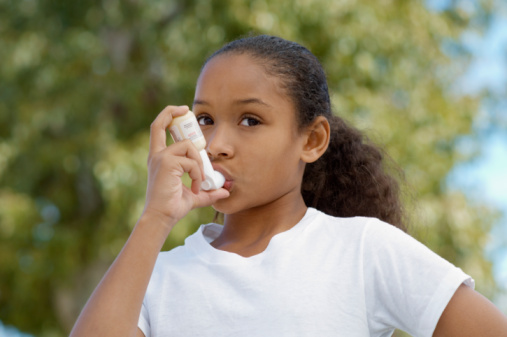
Children living in poverty in California and elsewhere in the U.S. are much more likely to suffer from asthma than their wealthier peers. A new study suggests that a symbiotic relationship between pollution and allergens common in low-income urban areas makes children more vulnerable to the chronic illness.
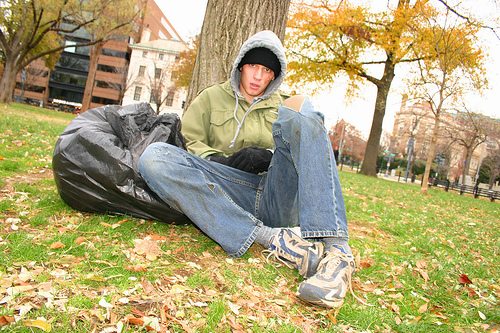
San Diego police, social services and community groups came together during a January freeze to get hundreds of homeless people into emergency shelters, possibly saving lives and definitely providing some needed comfort.
Organic farms and ranches in California are mainly concentrated in coastal areas. In the vast agricultural belt of the Central Valley, where almost half of the produce in the U.S. is grown, most farmers are still using traditional growing methods. Recently, though, that seems to be changing.
The Salton Sea is shrinking, making it shallower and more susceptible to events such as the Big Stink. But while the hydrogen sulfide can be dismissed as more of an inconvenience than a hazard, a greater threat may be looming.
Judith Baer is worried about how poor people, especially poor mothers, are labeled with diagnoses of mental health problems. Once a teenage mother, today she is a professor who understands the anxiety that comes with poverty— and she wants the diagnostic manual to reflect that kind of understanding, too.