
A new report spotlights a harsh reality in the Eastern Coachella Valley: the water, air and soil there are polluted – significantly more so than the West Valley and Riverside County as a whole.

A new report spotlights a harsh reality in the Eastern Coachella Valley: the water, air and soil there are polluted – significantly more so than the West Valley and Riverside County as a whole.

Health activists call for a new push focusing on allergens such as black mold and cockroach waste that they hold partially to blame for high asthma rates among children in some of the city’s poorest neighborhoods.
In the past two years, poverty rates in Riverside County rose from 12 percent to about 14 percent, according to the Community Action Partnership (CAP) Riverside, the agency charged with doing something about it.

Bob Pack lost his 10-year-old son Troy and 7-year-old daughter Alana when they were hit by a driver under the influence of alcohol and prescription painkillers. Pack questioned how authorities could not have noticed someone obtaining exorbitant amounts of pain pills, and wondered why there was no system in place to monitor such action. He later learned that the state of California does have a Prescription Drug Monitoring Program, the Controlled Substance Utilization Review and Evaluation System (CURES). Pack also learned that CURES is both technologically inadequate and critically underfunded.
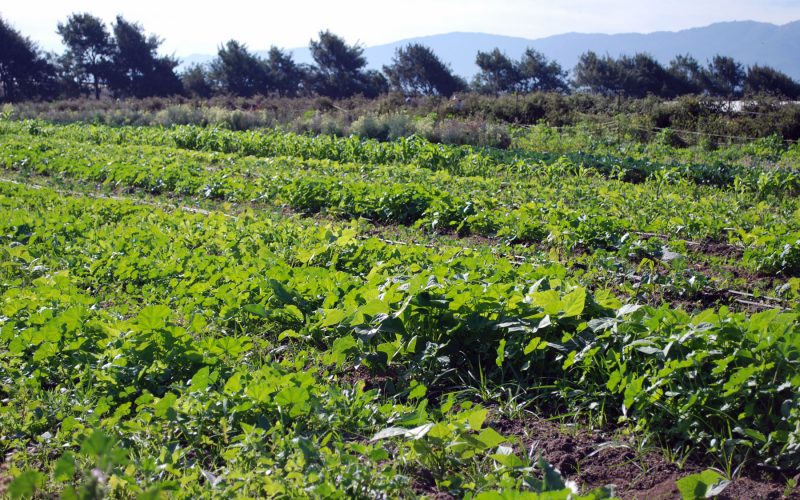
The San Diego Unified school district is using its leverage as a major buyer to get fresh produce at bargain prices for its school cafeterias.

By the historical Water Tower in downtown Fresno, four colorful food trucks lined up along with two netted food booths to sell fresh gourmet food, from fruit cobbler to tamales. Unlike Los Angeles or San Francisco, Fresno isn’t known as a foodie haven, but that may be changing. Hundreds of people flock to the Friday food truck event, called CArt Hop because art is on display too. And that’s just one way that a new generation of food trucks are emphasizing fresh, local and health foods in the Central Valley city.

Stopping the rise of diabetes is an ongoing effort in California, especially in counties such as Monterey, where the rates of the illness are higher than the state average. In Monterey, local and regional programs are working to prevent the chronic illness, which carries a hefty price tag and toll on health, with support from statewide efforts.

When people from Mexico and other parts of Latin America migrate north for work in California’s bountiful agriculture industry, they hope for upward mobility. But the reality for many toiling in the $44.3 billion industry is another. Poor pay, which characterizes the farmworker labor force, has left many struggling to find adequate and safe housing.

Just in time for the advent of national health care reform next year, Los Angeles-area schools are opening their first campus-based wellness centers, offering services not just to students and their families, but to entire neighborhoods.

The CHMI recently released the Coachella Valley Blueprint for Action report, which was produced at a marathon brainstorming session in December by 125 local health-care experts. The blueprint aims to help people live longer, healthier lives – and it encompasses many factors, not just access to health care.