They’re called by different names: community health workers… promotoras… health advocates… pomoshniks… peer counselors. By any name, or in any language, these health workers reach into ethnic communities to help underserved Californians navigate the confusing maelstrom of healthcare delivery.
Disparities
Many Hmong, a “hill people” unassimilated in greater Southeast Asia and in the Asian American community, retain their Old World notions of health and healing. That means a reliance more on herbal remedies and shamanism than embracing basic Western medical care. The lack of health awareness in the immigrant community coincides with a higher than normal incidence of hepatitis B, a disease that can lead to liver cirrhosis and cancer.
Bob Dittmar’s day begins on the roof at six in the morning. The late summer sun is punishing even at this early hour. This isn’t one of the new suburban houses that crop up quickly in the northern parts of Fresno. Dittmar is downtown, in a long-neglected area known as the Lowell neighborhood, which takes its name from the nearby elementary school, though its roots, and its struggle with poverty, go back generations.
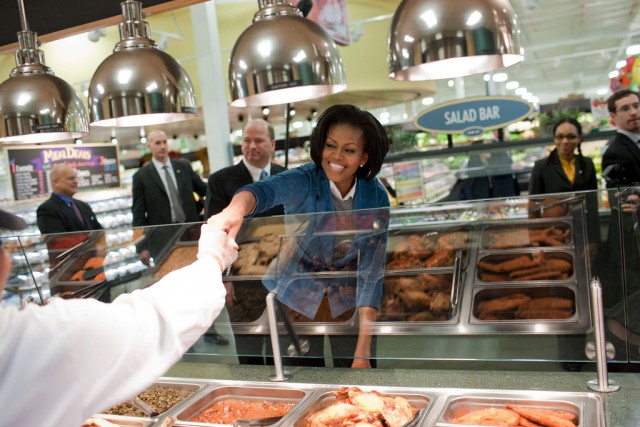
At a time when obesity is overtaking smoking as the leading cause of preventable illness in the United States, healthy food financing initiatives seem like a reasonable solution to a difficult problem. And the obesity crisis hits poor people the hardest. About 35 percent of people with incomes of less than $15,000 struggle with obesity, compared to 24 percent of people with incomes above $50,000. Access to fresh food in poor neighborhoods, Obama and other fresh food financing advocates say, could set a generation of low-income kids on the path to good health.
The women stood in a large circle. With their eyes shut and heads titled toward the floor, each prayed to God to keep each other and Richmond safe. At the navel of the circle was a container with fresh flowers—a type of gift for the occasion. The occasion— the gathering of more than 40 Latinas and African American women to heal Richmond’s racial wounds —was something that had been in the works for nearly two years, says Amahra Hicks, a board member of the Black Alliance for Just Immigration and co-organizers of the meet up.
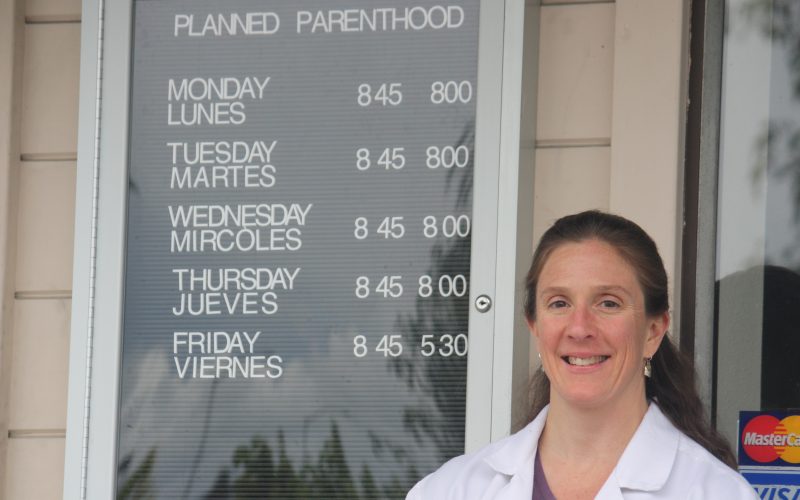
At a Planned Parenthood clinic near Salinas, women farm workers who plan to have kids in the near future are learning to protect themselves against pesticide exposure on the job. Billions of pounds of pesticides are sprayed or injected in the ground each year in California, but researchers say they’re just beginning to learn how those chemicals affect pregnant women and their children.
Jose Cruz stood on the corner of a well-trafficked gas station in San Francisco’s Mission District. The cars passed him by. Drivers rarely stopped to look at Cruz on this recent morning. The Mexican immigrant is a day laborer, and like thousands of workers who stand on the street corner looking for work, Cruz hopes to make enough money to pay his rent and food and other basic needs. And like many who seek daily work on street corners, Cruz is vulnerable to being cheated out of his wages.
Despite its laid back image, California has long been a state of extremes, in its weather, its culture and its politics. Now a new report shows how the state is divided among rich and poor, educated and not, the healthy and those prone to illness. The “Portrait of California,” in fact, shows how all of these factors are woven together to produce a patchwork of neighborhoods, counties and regions with disparities that are the equivalent of a century of human development.
Just three weeks ago, Trelena Thomas was learning the computer basics—the difference between right and left mouse clicks and what a URL is. Now, in the second installment of our three part series, watch as Thomas and her daughters bridge the digital divide with their first home computer, a former County of San Diego desktop refurbished by the San Diego Futures Foundation. Now come the bigger questions: who gets to play games first and is Facebook allowed?
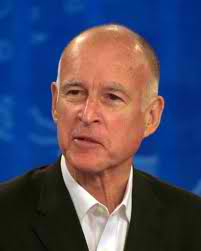
While Gov. Jerry Brown and lawmakers wrestle with the budget crisis, some Californians are adamant that much of the problem can be laid at the feet of people who are in the country illegally. Their message is: stop teaching the kids, cut-off welfare checks and ship the prisoners back home. That way, billions of dollars spent on services could be put to work cutting the deficit, paying for vital programs and keeping tax increases at bay. But that’s easier said than done.