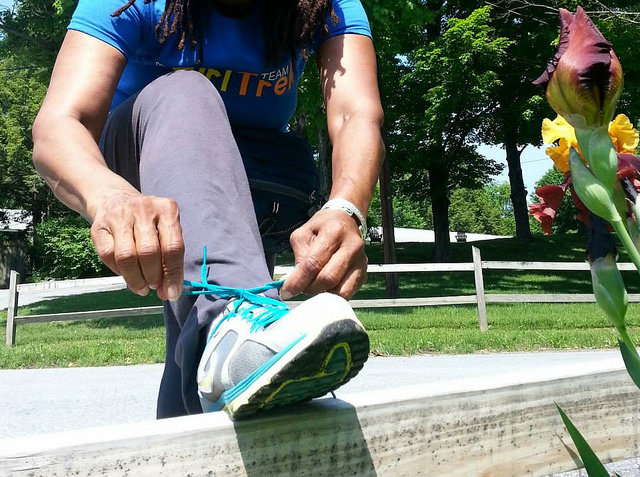
Getting a community to start exercising involves a lot more than posting up fliers and hosting some aerobics classes. It takes community buy-in. A recent study from the University of Missouri found that exercise programs aimed at minority adults are doing some short-term good, but most come across as culturally tone-deaf and are by and large failing to connect with the communities they intend to help.
Disparities
Thousands of families in the eastern Coachella Valley work in low-wage industries with no health insurance; many are migrants who can’t see a doctor regularly; and many are undocumented, and thus must seek care at low-cost or free clinics or the nearest emergency room.
Since the mid-eighties, the pool of traditional foster families has been shrinking. Child welfare agencies started looking to relatives or people connected to the family as guardians as an alternative to foster parents. Today, more than a third of foster kids in California are in kinship care.
It’s no secret that low-income people and minorities struggle more with obesity. But new research suggests that health advocates and policymakers may have fundamentally misunderstood the reasons why.
There could be a dark side to skin-lightening creams often found in stores that cater to ethnic communities. Starting next week, California health officials will collect and test a sampling of skin-lightening products in the Bay Area for possible mercury contamination. Health officials launched the investigation in response to a spate of mercury poisoning cases linked to the tainted face creams that are made outside the United States.
Marriage has long been recognized as good for the health of heterosexual men. Now new research suggests that marriage may also be good for the health of gay men — even for those who don’t get married.
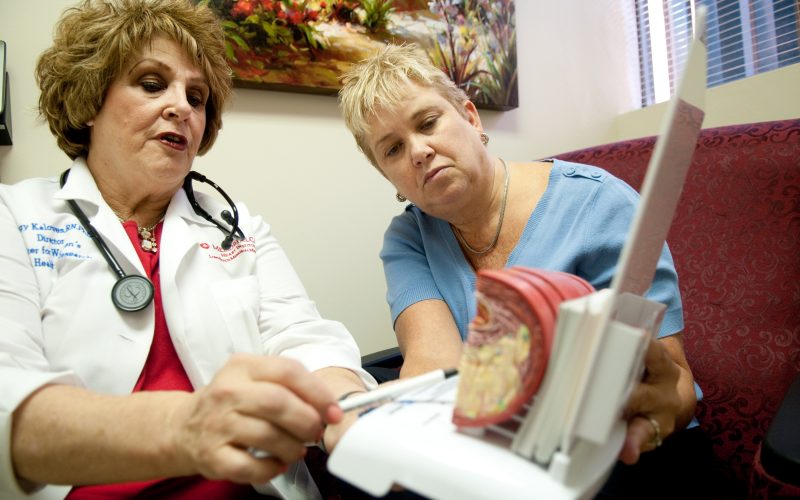
A Long Beach center helps women get a handle on heart health – for a onetime fee of $55.
A Boyle Heights bookstore reminds neighborhood residents of the area’s historic diversity and egalitarian roots.
In Los Angeles, a change in the city’s daytime curfew law is on the City Council agenda. The law is aimed at keeping kids in school, but activists have waged a two-year battle against it, saying it’s punitive, discriminatory and counter-productive.
A new program aimed at recipients of food stamps helps low-income families make healthier choices – even on a limited budget.