
After restaurateur Sam Stelletello opened Sunshine Care to offer high-quality assisted living to World War II’s “Greatest Generation,” nearly all of his aging residents succumbed to dementia – most frequently Alzheimer’s disease.

After restaurateur Sam Stelletello opened Sunshine Care to offer high-quality assisted living to World War II’s “Greatest Generation,” nearly all of his aging residents succumbed to dementia – most frequently Alzheimer’s disease.
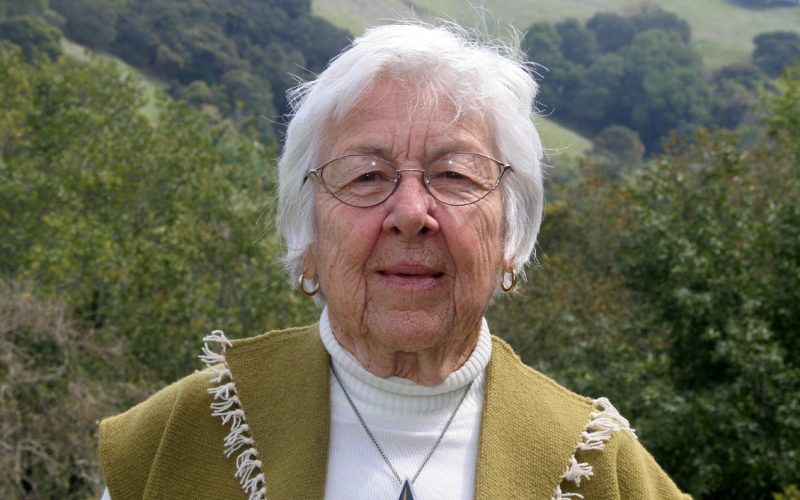
Sex scandals in the Catholic Church. Nativity scenes nixed during Christmas holidays. God kicked out of schools. In American culture, God is taking one hell of a beating. At the same time, the nation’s hunger for divine connection – especially among older adults – has never been higher. With advancing age, the soul’s gnawing desire for spiritual attachment often grows, and many older adults long to discuss both meaning and mortality.
California’s support systems for older adults, the disabled, and their family caregivers have improved in recent years and now rank among the top ten states in the nation, according to a scorecard released Thursday.
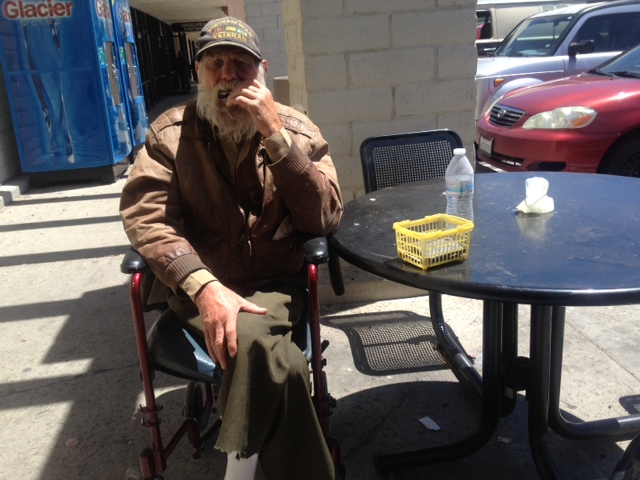
Marine veteran George Flynn, 74, sits in his wheelchair in front of a Mojave desert grocery store, playing his harmonica for spare change. Despite his many health woes – including an infected leg and cancer he says was caused by Agent Orange in Vietnam – Flynn takes the bus here most mornings to play for eight hours in hopes of making $15 or $20 a day which he uses to pay for his spot in a remote campground where he can wash his clothes and shower. Although Flynn barely scrapes by – somewhere along the way he stopped getting his monthly government assistance – his struggles are surprisingly common.

Is there an app for aging? That’s the question Pinchas Cohen, dean of USC’s renowned Davis School of Gerontology, is posing to the rest of his Trojan nation.

As a cub reporter for San Francisco’s alternative weekly in the early ’80s, Tim Carpenter loved slaying sacred cows. If asked what he was rebelling against during this “fun time,” he would have channeled Marlon Brando in “The Wild One” with this famous line: “Whaddaya got?” Thankfully, some people never grow up. Carpenter, now 52, has directed his rebellious spirit into fixing a broken system—housing for the aging.

For all of today’s talk of personal freedom, rare is the person who actually lives it. Yet freedom is one of the most frequently reported experiences of older adults who pursue bold new adventures in later life. As the blocks of doubt and failed expectations fade from sight, and life’s mortal coil becomes finite, travelers on this fresh path of aging often celebrate a new sense of freedom… and self. Perhaps nowhere is this on display more abundantly than the Stagebridge Senior Theatre in Oakland, which has encouraged more than 2,500 older adult students to act, sing, dance, write and improvise over the past 35 years.
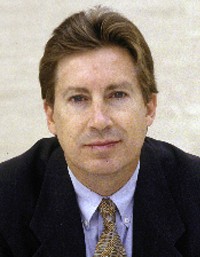
Dale Bredesen has provocative theory about treating Alzheimer’s disease, one that takes a bold integrative approach to treating the disease and may help answer vexing riddles that have long perplexed researchers and drug manufacturers alike.

Activism among the aging can help the brain and the body stay young.

Telemental health — offering computer-based therapy sessions — has a promising future for older ethnic adults who face an uphill battle accessing services for common problems like depression and anxiety.