
With the average American life expectancy now reaching 78, a solution to the long-term care crisis is vital, yet faces the brutal headwinds of economic reality and political stridency.

With the average American life expectancy now reaching 78, a solution to the long-term care crisis is vital, yet faces the brutal headwinds of economic reality and political stridency.

As a reporter who covers Aging issues, discussing the topic in public typically evokes this response through clenched teeth: “Getting old sucks.”

When actor and comedian Robin Williams committed suicide at age 63, the tragedy traumatized fans worldwide who wondered how someone so famous – and so funny – could pull the plug on a legendary life and career.

When Bea Arthur and her merry band of aging pranksters graced the airwaves with their “Golden Girls” sitcom a quarter century ago, they paved the way for shared senior housing that’s both fun and affordable.

March marked a turning point in California’s ethnic breakdown: Latinos officially outnumbered the state’s white population. Meanwhile, the aging Latino population is one of the fastest-growing demographics nationally, thanks to “a very high life expectancy among Hispanics,” according to noted aging researcher S. Jay Olshansky of the University of Illinois at Chicago.

These days, everything seems to be outsourced abroad. Jobs. Customer service. Even executive assistants. And today, so is aging – which is fast becoming very big business.
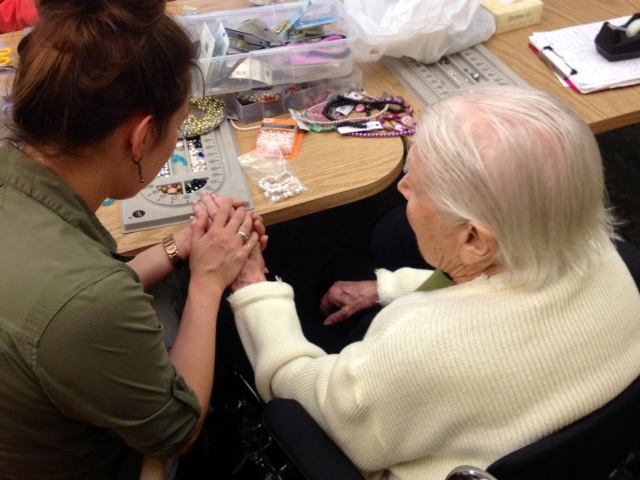
With rates of dementia expected to reach epidemic proportions as an aging American populous lives longer, a Southern California city has formed an impressive coalition of business leaders, educators, foundations and long-term care settings to help train the next generation of caregivers.
Inside a bureaucratic jungle, Laura Trejo always finds room to roar. When Trejo sat in the midst of a panel of experts during the recent launch of a new state senate committee on aging, she spoke plainly yet firmly. During her 10-minute lecture, simmering tension escalated into barely controlled fury.
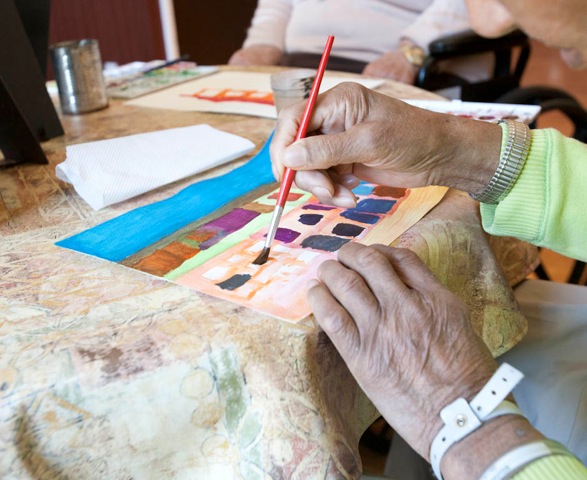
When expressionist painters like Pablo Picasso, Otto Dix and Barnett Newman waved their defiant brushes over blank canvases, they rebelled against the “logical minds” that had brought about one World War, then another. Art, they insisted, should free the mind from oppressive reality. So it’s not surprising that in the shadow of the Beat Generation and Sixties counterculture, a Bay Area arts program has gained prominence in helping older adults circumvent constrictive thought to free the artist within.

While the state Assembly has a committee dedicated to aging and long-term care, the State Senate hasn’t had one since it disappeared from the Committee on Health along with termed out sponsor Elaine Alquist at the end of 2012. That changed last week when the Senate publicly launched a new Select Committee on Aging and Long-Term Care at an informational hearing at the Glendale Central Library attended by 125 people.