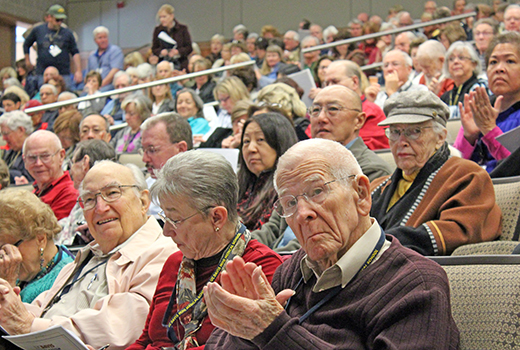
In America, drug addiction is despised as a social scourge, a destructive force for families and communities alike. Yet when it comes to treating older adults, drugs are hailed as quick salvation — prescription candy — the answer to complex chronic diseases and behavioral “problems” affiliated with dementia.
Author: Matt Perry
Imagine you’re losing your mind. Imagine most of the life you’ve led is now slipping away from dementia. And it’s one of the best things that has ever happened to you.
In January, Senator Carol Liu’s office released a powerful, comprehensive report about the crisis of aging services in our state. My advice to Gov. Jerry Brown: Don’t read it before you go to bed. You’ll have nightmares. Spawned by the intelligence and passion of former legislator Patty Berg – Liu’s lead consultant and the report’s true author – it includes dozens of recommendations for reform, including a state Aging Czar.
Every day in America, mourners gather for solemn events to remember the lives of dear, departed loved ones at a funeral or memorial service. But for those exploring “conscious dying,” sometimes the loved one is still alive. The nascent trend in “living funerals” is part of a growing movement in death midwives who shepherd the living through the dying process.
Founding father John Adams has one thing in common with California elder Frank D. Vincent. They both fought for their independence.
A visit to most long-term care facilities – a nursing home or assisted living facility – quickly reveals who wields the sword of control. Managers dispense orders to staff. Then able-bodied caregivers roam floors full of seniors compromised in either mind or body.
Imagine you are an older adult in your 60s or 70s, perhaps even your 80s. You’ve lived a long life of exquisite joy and sorrow. Today, you suffer from diabetes, heart disease, dementia, and a mental health problem like depression or anxiety. Then, one day in the mail comes a blue envelope.
You’re not going to live to be 200. You’re probably not even going to make it to 100 either. All that longevity talk is marketing fantasy intended to line the pockets of “anti-aging experts.”
When 64 year-old Bob Branstrom thought he was having a stroke, he walked the few feet to his senior cohousing neighbor, who then called a nearby pediatrician, who then called 911. Together, his neighbors ensured his safety and comfort, even taking him books and toiletries if needed for an overnight hospital stay.
A new assisted living complex in Palm Springs that targets an aging LGBT demographic is one of a handful of new facilities serving seniors yearning for supportive and compassionate living environments.