
In cases of domestic violence, the use of technology as a means for batterers to track, control and harass their victims is becoming more common.

In cases of domestic violence, the use of technology as a means for batterers to track, control and harass their victims is becoming more common.

Community activists in San Diego are alarmed by curfew sweeps that they say unfairly target minority youth. Police say they are even-handed and the sweeps expose kids and their families to social services that can help them avoid delinquency.

Tiffany Kettermann didn’t realize that her husband was violent until they were already married. Within a year she would be 2,000 miles from home and trapped in a relationship with an emotionally volatile and abusive person.

The program is helping communities reconnect with their culture to prevent violence in Monterey County, which has one of the highest youth homicide rates in California.
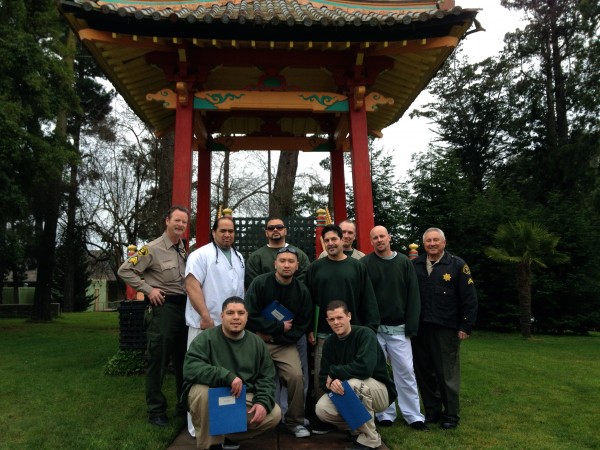
After serving time in jail, a three-step program helps men in Santa Cruz county make a new life after a felony conviction.

California’s sweeping criminal justice reform plan, in place since October 2011, was meant to sharply reduce the state’s prison population. But the changes may have also had the unintended consequence of passing along the biggest problem associated with overcrowding – poor health care – to county jails.

Under the Affordable Care Act, health care providers are required to offer domestic-violence screening and counseling to all women, and health insurance companies are required pay for those services. Health care providers statewide have been working to implement the new requirements since they took effect in Aug. 2012. But activists and those who work with domestic violence victims say the provisions are but still not enough to solve the problem.

In 2000, California voters overwhelmingly approved Prop 36, a ballot measure that offers non-violent drug offenders treatment instead of jail. But now the Substance Abuse and Crime Prevention Act is on life support, if not altogether dead, despite data that shows it has saved taxpayers money and tamped down recidivism among its participants.

State prison reforms are supposed to reduce dangerously overcrowded prison populations and help to alleviate the state’s fiscal crisis. But trial courts in San Mateo are feeling the squeeze of the fiscal crisis and the reforms on the county.

Advocates for Native American survivors of intimate violence cheered when they won the right to prosecute non-Indian assailants in tribal court. That change came with a provision in the Violence Against Women Act earlier this year. On at least one slice of California sovereign tribal land, the change also means defendants will have to engage with a very different criminal justice system – one that is based on restorative justice.