Chevron has a long history in Richmond – one that’s fraught with frustration and anger. The company recently announced they would flare at their Richmond refinery, a process that releases potential toxins into the air. The announcement is the latest development in an ongoing battle that involves residents of a city both blessed with natural beauty and strained by high poverty and crime rates, local politicians that fall either on the side of the environment of business, local and national environmental groups, and the multinational corporate giant.

Public Health
Business profits and social justice are slowly merging in the harsh agricultural fields of California, as progressive new company-sponsored clinics emerge to provide direct healthcare to farm workers – including undocumented immigrants. Agribusiness owners are opening the clinics to provide no-hassle health access to a population who often avoid seeking healthcare even when covered by insurance.
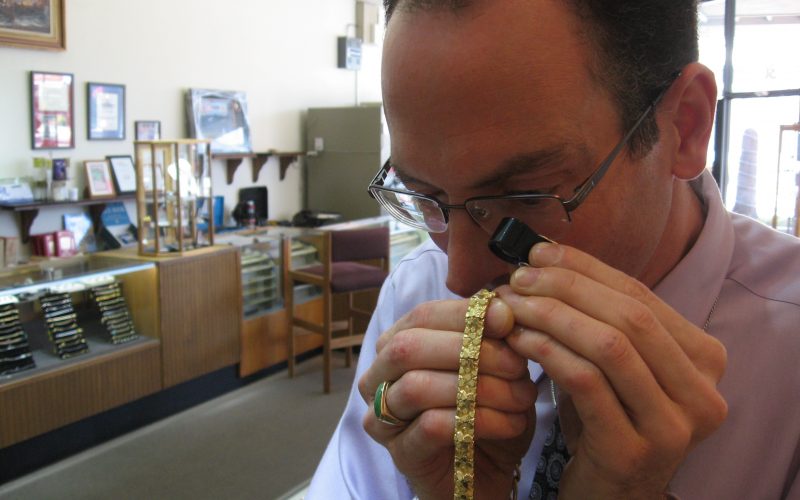
A pawnshop in a San Francisco-area town offers a glimpse into how the recession is hurting people who were once middle class.
Homlessness among veterans is a stubborn problem, despite the resources aimed at solving it. Once-homeless vet Alvin Hanson shares his story.
A popular event gives bikes and walkers free access to Los Angeles streets. “People are starved for open space,” says event co-founder Bobby Gadda.
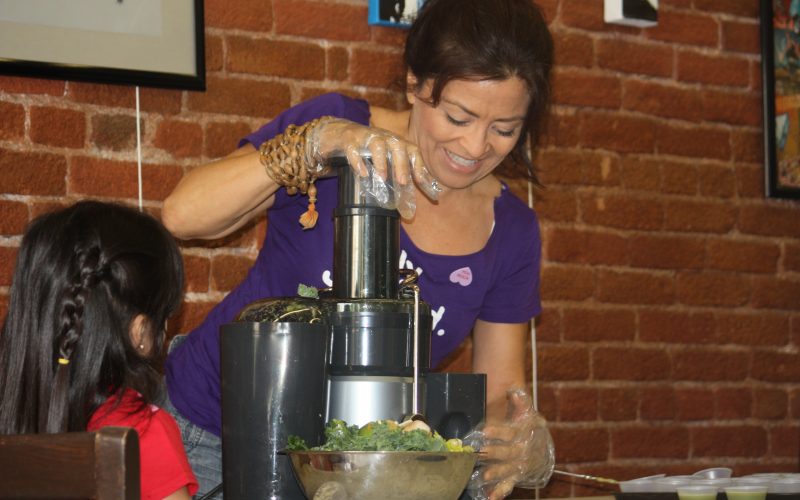
A cafe in this Los Angeles neighborhood turns into a hub for artistic expression and health education.
A Stanislaus County medical education program that recruits and trains doctors to work with the underserved is funded by the federal health reform act. It is expected to help reduce the shortage of family physicians in the Central Valley.
Environmentalists and others have been saying for nearly a year that the state caved to industry pressure when it approved the use of the pesticide methyl iodide at levels more than 100 times higher than its own scientists recommended. Now a newly uncovered memo written by an official of the company that makes the pesticide shows that the firm gave managers in the Department of Pesticide Regulation calculations they could use to overturn the conclusions of state scientists and an advisory panel convened to review their work.
Chronic disease — heart disease, diabetes, arthritis and others — afflict nearly half of Californians and account for a big share of health care costs. But medical professionals believe much of that cost could be eliminated with better prevention and better management of chronic disease once it strikes. In San Diego, competing health care systems are coming together to launch a united front against chronic disease. One audacious goal: to make the county a heart-attack and stroke-free zone.
Fresno State, located in the heart of industrial farming country, finally embraces organic farming. Their students need knowledge of organics to compete for jobs – but their introduction of these classes coincides with big cuts to state colleges’ budgets. Will organic training survive the budget crunch?