
While new laws have resulted in decreased exposure to tobacco smoke for many workers, employees in some occupations are still exposed to secondhand smoke on the job, according to new research presented this week.

While new laws have resulted in decreased exposure to tobacco smoke for many workers, employees in some occupations are still exposed to secondhand smoke on the job, according to new research presented this week.

Despite recommendations by the US Preventive Services Task Force for adults ages 50 to 75 to be tested for colorectal cancer, about one in three adults in that age range have not had the screening test, according to a new report.

A new study on the impact of a mother’s tobacco use during pregnancy finds that smoking can result in a variety of infections in infants that can lead to both hospitalizations and deaths.

Oil platforms have long been a familiar presence off Southern California’s coast, but until recently, federal and state officials didn’t know the offshore rigs were doing more than traditional drilling. They didn’t know they were fracking.

Antiretroviral drug therapy, the standard response to HIV, targets actively replicating HIV virus but has no impact on inactive, also known as latent, forms of the virus. That latent cell base, or reservoir, in HIV-infected patients consists of proviruses—viral DNA that gets inserted into the genome of the patients’ immune cells.

Recipients of the Supplemental Nutrition Assistance Program, the program formerly known as food stamps, will have less money to spend on meals, and millions of dollars will leave the state’s coffers when a federal program expires Oct. 31.

A new study finds that even small increases in marketing to current park users and non-user residents of local communities can increase use of parks for physical activity, providing a cost-effective way to potentially improve a community’s health.

The state of California is looking to get ahead of the curve in implementing federal school nutrition guidelines. AB 626 by Assemblymember Nancy Skinner, D-Berkeley, will fill some of the gaps between California’s nutrition standards and the ones established by the USDA through the Healthy Hunger Free Kids Act in 2010.

When Cody Wallace heard that he had high blood pressure, he wasn’t too worried about the diagnosis. His doctor prescribed a drug to help manage his hypertension, one that he would likely have to take for the rest of his life. But he didn’t feel sick.
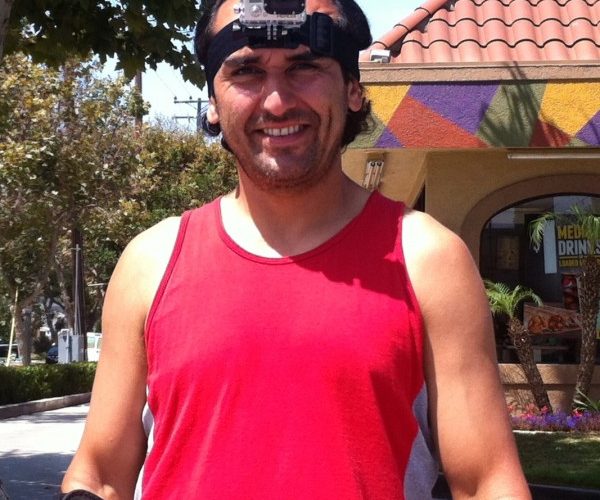
Jorge Rivera’s mission, called Sole Searching, is twofold: to introduce his running companions to different parts of the city and to talk to residents of every neighborhood, both blighted and affluent, about the benefits of exercise.