
Drastic government spending cuts in times of financial crisis may be bad for public health, a new study by Greek and American researchers suggests.

Drastic government spending cuts in times of financial crisis may be bad for public health, a new study by Greek and American researchers suggests.

Ana Rosa Perez wanted a better life when she emigrated from central Mexico to work in Oxnard’s strawberry fields. Instead, she can barely pay her rent. Her son wants a different life – and that’s one reason why California may soon be facing a farmworker shortage.

Jeff Oxendine wanted to pursue a developing interest in public health in college – but he didn’t know how, until he found an internship program that set him on his path. Now an Associate Dean at the UC Berkeley School of Public Health, he’s also the founder of an innovative program that helps more students like him find their way into the health care field.
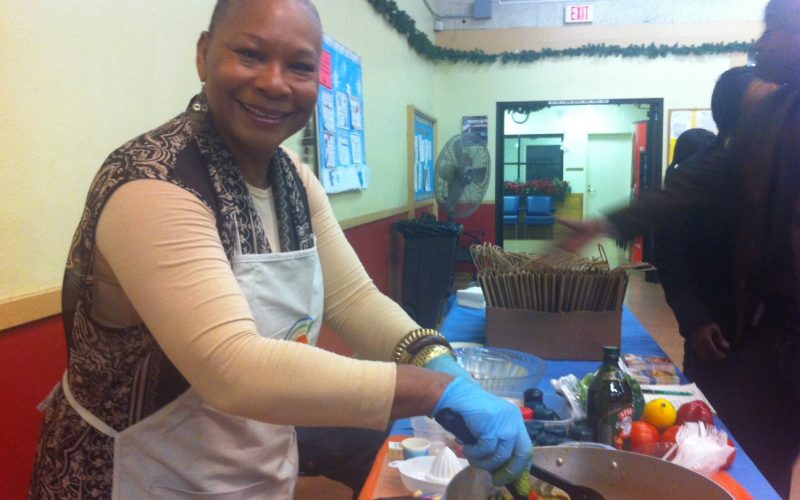
Soul food gets a bad rap, and some of it is unhealthy – but with some modifications and eaten in moderation, soul food can be good for your health, too.

Life may have improved in places like Monterey County for transgender people, but there’s still a long way to go – from fighting discrimination in jobs and housing, to making inroads in health care.

The Rev. Cecil L. “Chip” Murray sits in the small conference room of the center that bears his name. He is both humbled and amazed by the fact of the eponymous Cecil Murray Center for Community Engagement, part of the University of Southern California’s Center for Religion & Civic Culture.
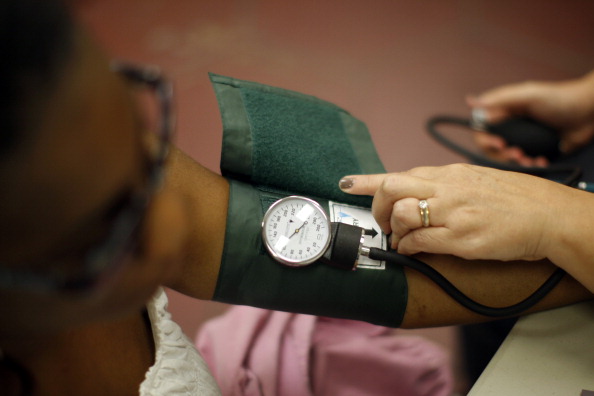
A new study of cancer rates among African Americans has good news and bad news about the second leading cause of death for all Americans.

There are 10 million potential donors registered in the United States for the 10,000 patients who annually are in need of a marrow transplant, but patients who are part of an ethnic minority have a harder time than others finding a donor.

Everybody carries the potential for diseases in their genes, but that potential doesn’t always result in illnesses. What flips the genetic switch to create disease in some people and not in others? And even more critically, why is it that those who have ongoing exposure to stress—living in a violent neighborhood or below the poverty level, for example—are more prone to such diseases? Answers may be found in dark matter.

The federally funded program known as Women, Infants and Children, or WIC, is better known for providing food stamps to needy families, but it also encourages mothers to breastfeed through support and peer counseling. In Salinas, the Monterey County program has zeroed in on farmworkers who are new moms.