California is the nation’s most populous state, the owner of the world’s eighth largest economy, the home of Silicon Valley and Hollywood, and the global leader in biotechnology. And yet, the fortunes of its state government depend on a small group of people.
Public Health
Richmond, California, is a city of contradictions. Chevron operates its second largest oil refinery on the city’s western border. The city is emerging as a leader in “urban greening” – city planning that upgrades public spaces with walkable and bikable routes and natural vegetation. It’s as if ex-spouses are living next door to each other.
Support for federal health reform in California remains as strong today as it was a year ago despite attacks from the new majority of Republicans in Congress and federal court decisions declaring the law unconstitutional, according to a new, independent poll released today.
A long line of drenched men huddled together outside a Fresno shelter, hoping to get a warm meal and bed in the middle of a winter storm on a recent evening. It was a typical night for Ed Sanders, 57, a homeless veteran. Green Hope Veterans, a nonprofit organization in Fresno, plans to help local vets like Sanders by providing them with affordable green housing.
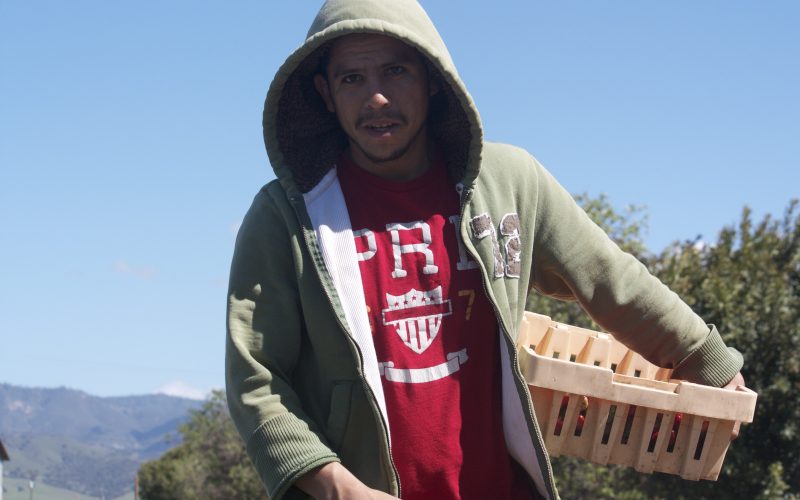
Thirty-eight farmers-in-training currently till the land at ALBA, growing everything from typical local crops like radishes and kale to traditional Mexican herbs and cactus pears. The majority are farm workers—mostly Latino immigrants—seeking their own businesses. Others are career changers or organic food enthusiasts hoping to capitalize on a growing market for locally grown produce.
A prior edition of calhealthreport.org documented a worrisome trend of rising income inequality within our state, a trend which runs in tandem with the statistics for the country as a whole. The latest research findings show just how worrisome this trend is.
While the state may be short of money, there is no drought of cash-saving ideas. But many cannot pan out politically, legally or logistically. Nonetheless, Gov. Jerry Brown and lawmakers have in their hands a pair of promising far-reaching sets of recommendations developed by independent state investigators. These separate proposals by the state Auditor and Little Hoover Commission have been overshadowed by the more immediate debate over spending cuts and tax extensions now playing out in the Capitol.
California cities face a daunting deadline. Within nine years they must make a significant reduction in the pollutants that create the state’s carbon footprint. The target of 2020 to make a 15 percent cut in greenhouse emissions may seem a long way off. Yet the Great Valley Center, a Modesto-based not-for-profit, wants to help cities take action now.
Leafy green vegetables, Brussels sprouts, beets and leeks aren’t typically the kinds of foods available at food banks. Fresh foods are hard to salvage for people in need, even though perfectly edible produce that doesn’t meet grocery store standards is often left to rot in the fields. But a Salinas organization, Ag Against Hunger, has developed some innovative methods for distributing fresh produce to food banks.
Overall, California’s food stamp (now CalFresh) participation rate ranks next to last in the nation, but some California counties are taking steps to bring more low-income families into the program. To offer an inside view into one county’s efforts, calhealthreport.org partner Kate Karpilow of the California Center for Research on Women and Families interviewed Johnie Belford, who helps manage Fresno County’s CalFresh program.