Since she was a child, 17-year-old Sundance Medina has lived across the street from Drake Park in a low-income neighborhood north of Downtown Long Beach. However, after two shootings at the park when she was younger and frequent gang activity there through the years, Sundance hasn’t been able to enjoy the park much, staying cooped up in her home.
Public Health
In Salinas, a group of activists say the local hospital board, elected by the voters to run the public healthcare system, doesn’t represent the people it serves.
The decades-long public battle between real estate developers and farmland preservationists went on hiatus the past few years as the residential housing market collapsed in the recession. Farm advocates have long fought to save some of the best farmland in the world, as cities in the San Joaquin Valley grow and houses spread over land once covered with
almond orchards and vineyards.
El Concilio, a community-based non profit agency in Stockton, provides a variety of services to people throughout the city and beyond.
As the June 15 budget deadline approaches, rumors that the Legislature will send yet another spending cap to the ballot abound. These rumors are somewhat surprising, since voters haven’t even had the chance to weigh in on the last cap sent to the ballot – ACA 4 of 2010, approved as part of last October’s budget agreement – and the fact that California’s existing cap is arguably one of the toughest in the nation. Details of what may, or may not, be under consideration are well hidden under the cone of silence. But the details are crucial, and how a spending limit is designed will determine what kind of consequences it will have for the state and its people. Here are some issues to consider.
There’s a new group in the homeless community, the economic homeless—people without a home because of the economic climate and resulting job shortages. As a result, the homeless population could continue to grow if prevention and intervention efforts are not steadfastly stepped up.
Christina Alvarez, who turned 17 on Monday, has a 15-month-old son. She barely speaks to the father any more. And while she hopes to earn her high school diploma and move her baby away from the crime, poverty and emotional defeat of her own childhood neighborhood, she knows the odds are against her. Activists say that for many teenage parents in Kern County, Alvarez’s experience is typical. Increasingly, it’s out of sync with the rest of California.
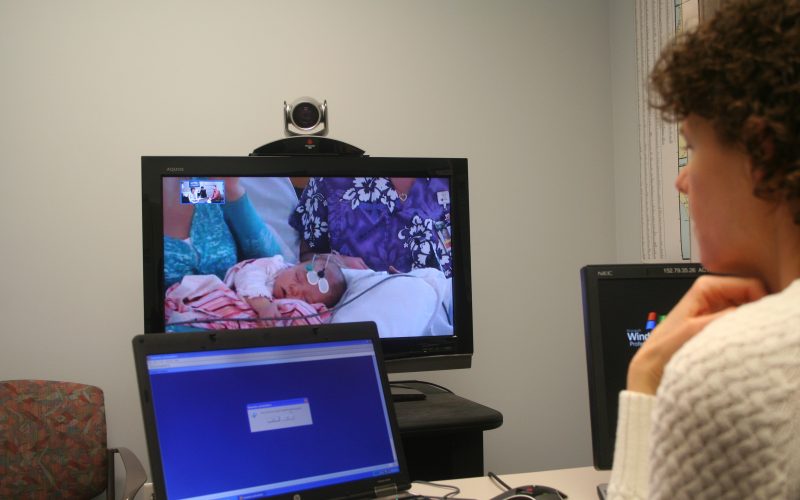
A decade of advances in telehealth have improved patient outcomes in underserved California counties, but continued promise of reducing the state’s wide health disparities depends on overcoming several financial, policy, and technical hurdles.
As the Sacramento budget stalemate over extending temporary taxes continues, will lawmakers turn to fees instead as a way to raise money for the cash-short state? Previously the answer might have been an emphatic yes. But this year, thanks to new restrictions imposed by voters in November, legislators will find it harder to use fees as a substitute for taxes.
Item No. 13 on his California State University admissions application was the first time it really hit him—Victor, who asked that his last name be withheld, didn’t have a social security number. It was a fact he had grown up with since the age of three when his mother brought him to City Heights from Coahuila, Mexico. When asked to produce the 10-digit number during his junior year of high school, he finally understood its significance. He was undocumented.