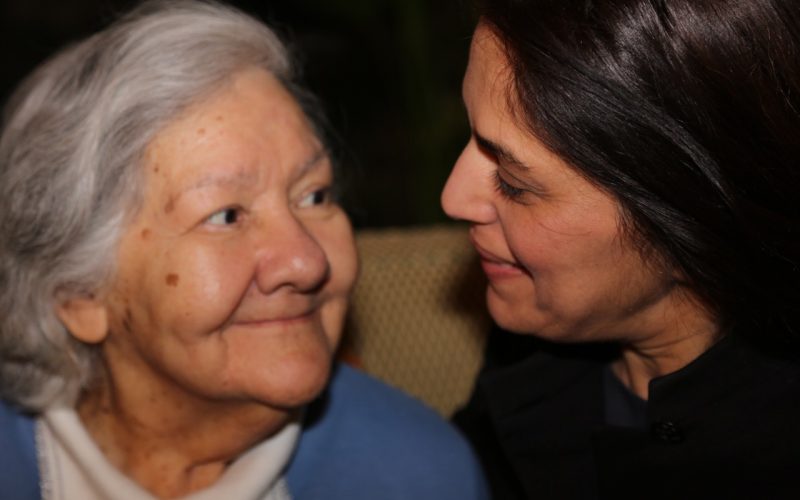
In this story we go to Oakland where we spoke with seniors experiencing the benefits of regular Tai Chi practice. Originally developed for self-defense, Tai Chi is an ancient Chinese tradition that many now turn to for exercise. Research shows that Tai Chi reduces stress and benefits people with many age-related diseases.
Aging
Among states with the largest numbers of seniors, California leads the nation in having the most high quality nursing homes, according to a new report.
When does old age begin? At 46. Or 87. Depending on whom you ask. That’s the latest from UnitedHealthcare’s annual survey of centenarians – those who have reached 100 — which offers some fascinating insights into the aging process with the help of this year’s additional survey group: 10 year-olds.
An overwhelming percentage of older adults insist on remaining in their homes as they age. Called “aging in place,” it’s considered the Holy Grail for families and governments alike. Older adults want the comfort and autonomy of home. Governments hope to keep seniors at home as long as possible, mortified of the financial burden low-income seniors become when they move into nursing homes.
Will social networking and technology save the day for one of America’s most intractable social problems — caring for the country’s aging population?
California continues to be an expensive place to age when living in long-term care facilities. In its annual survey “The Cost of Care,” Genworth Financial – a life insurance company that also sells long-term care policies – reports that costs for skilled nursing facilities in California climbed 4% in the past year.
While statistics for hungry children typically grab the biggest headlines, the numbers for elder hunger are also surprisingly dire — Feeding America estimates that 9% of seniors live in food insecure households. Of California’s nearly 5 million older adults that translates to anywhere between 326,000 to half a million hungry older adults.
In America, drug addiction is despised as a social scourge, a destructive force for families and communities alike. Yet when it comes to treating older adults, drugs are hailed as quick salvation — prescription candy — the answer to complex chronic diseases and behavioral “problems” affiliated with dementia.
Imagine you’re losing your mind. Imagine most of the life you’ve led is now slipping away from dementia. And it’s one of the best things that has ever happened to you.
Citing budget constraints, planners of the 2015 White House Conference on Aging once envisioned a virtual affair, with online sessions streamed across the world without any actual presence inside the White House. In other words, a lackluster, disconnected event that kept policymakers separate from the actual lives of older adults.