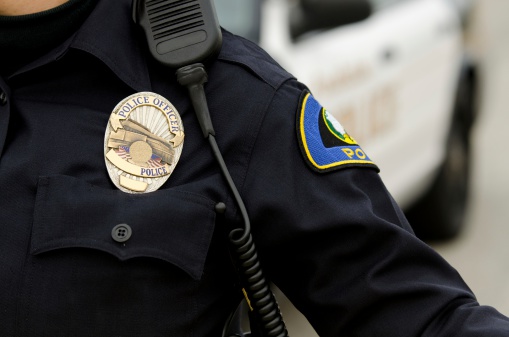
Gang intervention workers and cops are working together to curb gang violence in Los Angeles. But the relationship between the two groups isn’t always easy.

Gang intervention workers and cops are working together to curb gang violence in Los Angeles. But the relationship between the two groups isn’t always easy.
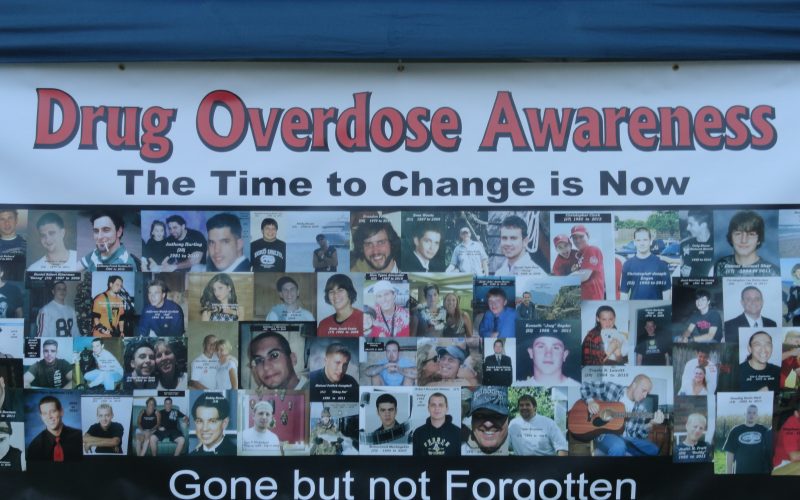
Last week Governor Brown signed the 911 Good Samaritan law, which is intended to prevent deaths from drug overdose. The law gives limited immunity to people who call 911 to get help for a friend who has overdosed – neither they nor the victim will be prosecuted for possession of a small amount of drugs. The law is aimed at reducing the accidental poisonings – mostly drug overdoses – that kill 87 people each day in the U.S.

Every Friday at 1 PM Pastor Henry Washington meets other Richmond community members concerned about gun-violence at his church—The Garden of Peace Ministries. They walk around the parts of Richmond most devastated by violence, handing out anti-violence literature and talking with residents. He is working as part of a hands-on effort to stop the shooting in the city, a program known as Ceasefire, the city’s latest effort to stop gun violence.
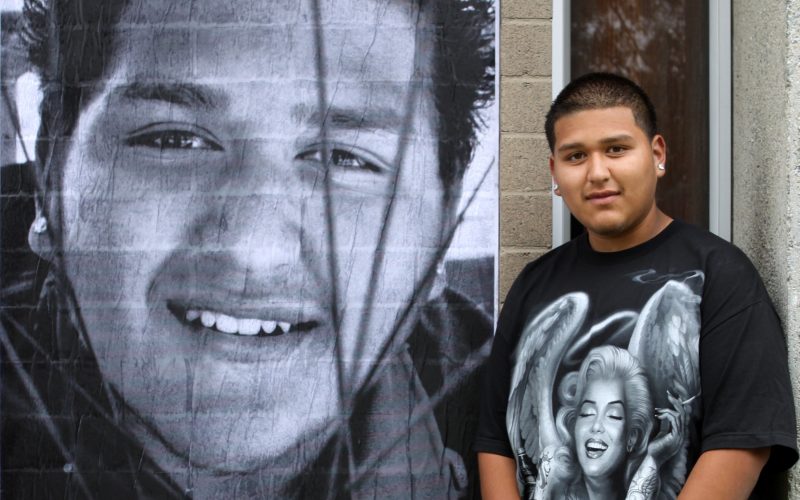
A small town in the Salinas Valley has turned several downtown buildings into art exhibits to promote peace on the streets.
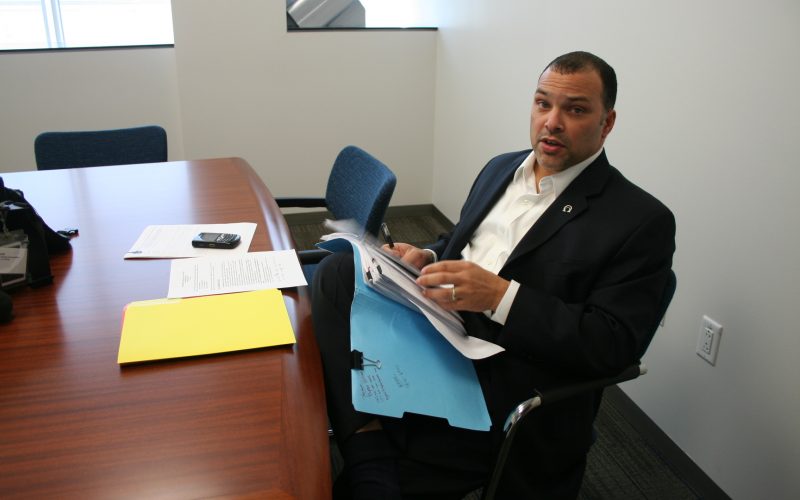
Last year there were 26 homicides in the City of Richmond – and seventeen of them happened in the summer. This year, Office of Neighborhood Safety outreach workers have taken to the streets of North Richmond to try and stop the spike in homicides.
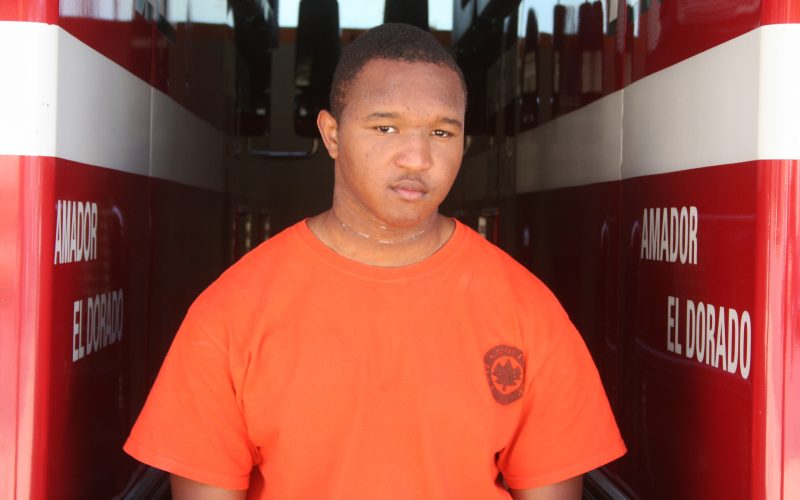
Six fire camps once housed and rehabilitated young offenders. Since the juvenile system has been realigned, shifting low-level offenders back to the care of the county, five camps have closed. Is that change good for young offenders? The young men at the last fire camp standing don’t seem to think so.
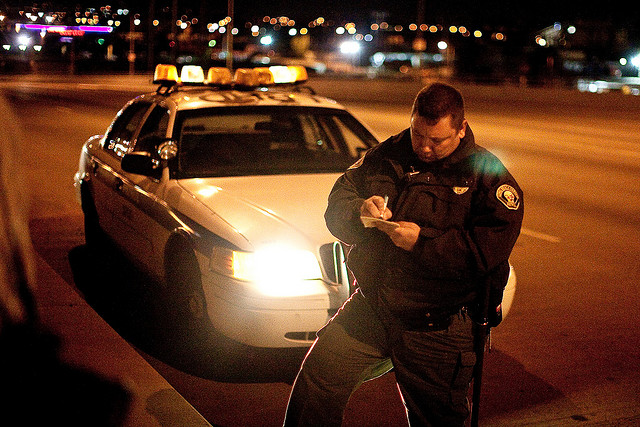
Hot spot policing is an increasingly popular crime-fighting tactic, taken up by cities including Oakland, Sacramento, Stockton and San Jose. Proponents say it’s the best use of the police force, especially in cities where the number of police is shrinking. But critics say it may lead to over-policing in low-income neighborhoods.

Santa Ana residents worry that their children will come to accept violence as normal in the wake of ongoing gang violence in the city.

Brian Warth was behind the wheel in a drive-by shooting in 1992. At 16 years old, he was tried as an adult and spent 16 years in prison. He made the most of his life on the inside, taking college and trade classes and spending 10 years as a prison pastor. Today, he’s also advocating for the California Fair Sentencing for Youth Act, which would give prisoners who were sentenced as juveniles to life without parole a small chance of release.
Juvenile justice realignment resulted in a small numbers of kids in state detention – but most of the kids there are being held because they committed violent crimes. What will happen to this small group of juvenile offenders if the detention centers, which now hold so few people, closes?