
Housing program helps mentally ill find stability, treatment and employment at a time when resources are scarce.

Housing program helps mentally ill find stability, treatment and employment at a time when resources are scarce.

A San Diego program uses parent volunteers to help elementary school students stay safe on their way to and from school.

Poor people continue to seek dental care in emergency rooms years after Denti-Cal is cut.

A recent study found that organic produce was barely more healthy than fruits and vegetables grown with chemical fertilizers. HealthyCal’s Angela Bass toured a farmers’ market near the state Capitol to find out how farmers and customers were reacting to this news.
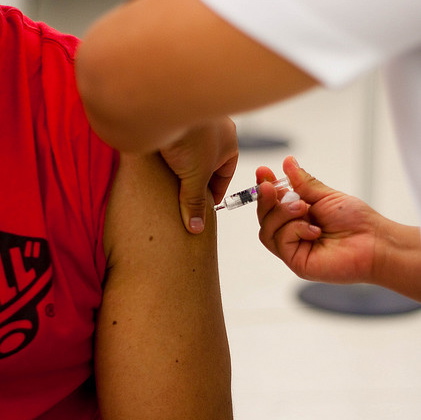
Pertussis, the highly contagious disease better known as whooping cough, killed ten infants in the state in 2010 and infected 9,000 people: the most in 60 years. But California hasn’t seen a single death from the disease in 2011 or in the first half of 2012.

For decades, San Bernardino County has been a state leader in the statistics of despair: low educational attainment, high unemployment, low household income, low birth-weight babies, high pollution levels, inadequate health care. The baleful statistics mounted up, but policy makers had no uniform way to bring them into a framework and chart their interactions. Now, a state agency is preparing a tool that will coalesce such indices in a color-coded map, one that highlights the communities that are most vulnerable to environmental health risks.
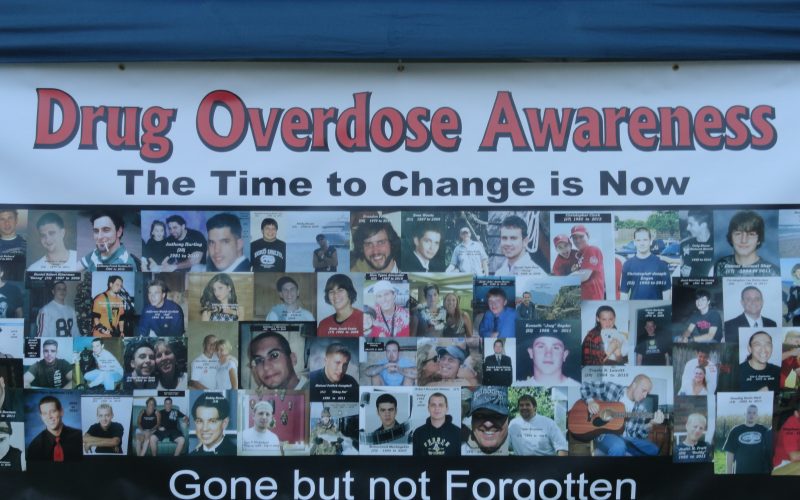
Last week Governor Brown signed the 911 Good Samaritan law, which is intended to prevent deaths from drug overdose. The law gives limited immunity to people who call 911 to get help for a friend who has overdosed – neither they nor the victim will be prosecuted for possession of a small amount of drugs. The law is aimed at reducing the accidental poisonings – mostly drug overdoses – that kill 87 people each day in the U.S.

Even as a Senate bill was signed into law in August requiring the California Department of Veteran Affairs to have a more comprehensive strategic plan on meeting the needs of homeless veterans, those service officers working on the ground know how hard it can be to work with a population that is often transitory.
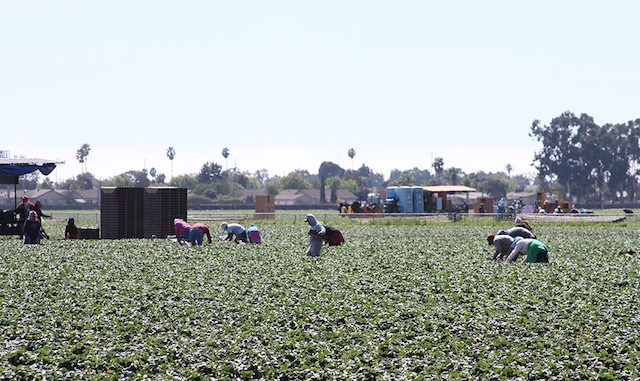
Nearly every afternoon this summer, Florencia Ramirez drove past the strawberries and lima beans growing in the Oxnard plain, and each time she grew angry about what she saw. In an area plagued with water shortages and droughts, some of the largest agricultural producers in the nation seemed to be using water with abandon, Ramirez observed.

Michael Flowers, 12, remembers well what it was like when he was admitted to the hospital and diagnosed with type 1 diabetes. Flowers was 8 when his mother first suspected he might have the illness because he had started drinking a lot of water and urinating frequently.