California’s most valuable company – Apple Inc. – has been taking flak lately from the halls of Congress to the capitals of Europe over reports that the consumer electronics giant manages its business to minimize the corporate income taxes it pays to the U.S. and foreign governments. But you’re not likely to hear too many complaints from California politicians about the company’s contribution to the state and local tax base – or the economy. The taxes Apple pays represent a huge chunk of the state budget, and new numbers show just how big a role it plays in the economic life of the Silicon Valley and especially the company’s home town of Cupertino.
Author: Daniel Weintraub
Denial runs deep among Californians when they think about growing old: nearly four in ten told pollsters in a recent survey that aging is something they “would rather not think about.” But for many, that better change, because most people are going to need some form of long-term care as they age, and few are prepared for it.
When the state decided to transition low-income kids from state-subsidized private insurance — known as Healthy Families –to the state-run Medi-Cal program, families of children with autism were promised that their kids’ treatment would not suffer. But those families soon learned that one especially promising (but expensive) form of treatment was not going to be covered by Medi-Cal.
Depending on your point of view, California’s plan for high-speed rail might be either a $69 billion fast train to nowhere or a visionary project that will keep the Golden State on the cutting edge of environmental protection and transportation technology. The voters have weighed in once in favor of the idea, and the Legislature and two governors — one from each party — have repeatedly pressed forward with the project. But a superior court judge in Sacramento now holds the train’s fate in his hands.
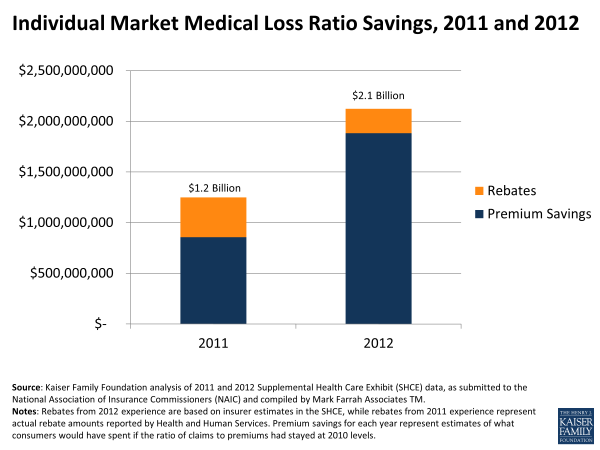
New federal rules limiting how much insurance companies can spend on administration and profit are saving consumers more than $2 billion a year, according to a study by the Kaiser Family Foundation.
California’s new health insurance marketplace is starting to come into focus as a state agency in charge of implementing President Obama’s federal health reform steadily adds more and more detail to the emerging picture, like a painter filling in a vast canvass. But exactly how the final image will look to consumers remains a bit murky. And we probably won’t know the answer until after the health benefits exchange, known as Covered California, opens for business Oct. 1.
Researchers at UC San Diego and UC Irvine have launched a project to examine the potential of using data from personal fitness monitors to help scientists explore public health and social science issues.
It’s fair to say that California is the richest state in the nation. We have more millionaires than any other state, and mansions dot our coastal bluffs and inland canyons. But California is also, arguably, the poorest state in the nation. We have more people in poverty — 6.1 million — and more children in poverty than any other state. Even more ominously, a new measure of poverty shows that California has the highest percentage of its population living below the poverty line.
Gov. Jerry Brown and his fellow Democrats in the state Legislature are headed for a showdown over the way California pays for its public schools. Brown is proposing a revolutionary plan to give extra state aid to schools that teach large numbers of poor and immigrant children. But he is getting pushback from some in the Legislature who think his plan goes too far – at the expense of the general-purpose money that every school district receives.
A revolution in the oil industry that’s been taking place in Pennsylvania, Ohio and North Dakota is poised to sweep through California’s oil patch, with the potential to produce hundreds of thousands of jobs and billions in tax revenue for the state.
But there’s a big catch.