Tucked between two traffic-choked freeways, the southeast corner of Santa Ana is among the least healthy places to live in California. The neighborhood’s air is dirtied with diesel emissions and other pollutants. Nearby businesses release an unusually large amount of chemicals. The community has more hazardous waste clean-up sites than almost anyplace in the state. And its groundwater is threatened by contaminants leaking from underground storage tanks. A few miles away, along the Newport Coast, it’s a different story. Traffic is relatively light, and the air is clean. There are no industrial chemicals to speak of, little hazardous waste exposure and no clean-up sites.
Author: Daniel Weintraub
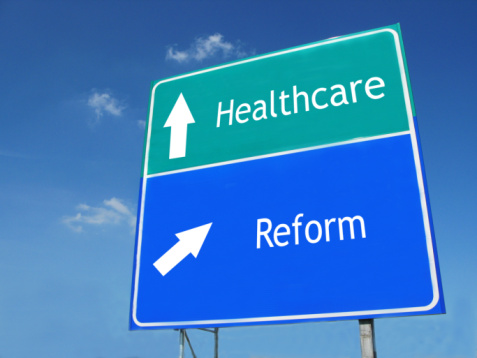
A recent analysis of likely health insurance premiums under federal health reform shows that younger, healthier and wealthier people will be charged more than they are today while older, sicker and poorer people will be paying less. And if you are young and healthy but also poor the federal subsidies in the new law might make your insurance free or close to it. What all of this really shows is that the law presents a series of trade offs meant to make insurance available and more affordable to those who can’t get it now, while giving security to people who already have insurance. For a price.
The Legislature today took a major step toward approving a massive expansion of the state’s Medi-Cal program as part of the federal health reform known as the Affordable Care Act.
For six months in 2012, about 20 passionate Californians representing interests with a stake in the Sacramento San Joaquin Delta met in an intimate discussion group to try to find common ground where decades of battle have been the norm. What they learned surprised many of them. Daniel Weintraub’s weekly essay.
The vast majority of registered voters in rural California say obesity is a serious problem nationally and in their communities, and many say they wish business, government, community groups and individuals were doing more to fight the problem, according to a new poll released Tuesday.
Not long ago, California was the land of the young. Migration from other states, immigration from other countries and the Baby Boom came together to send the state’s population of children soaring. Those children, and the young adults they became, personified a culture that seemed nothing short of obsessed with youth. That’s all changing. California’s population is aging rapidly, so quickly that the state now faces what was once unthinkable: a shortage of children.
As Californians head to the polls, taxes will be the biggest issue on the state ballot—again. Here’s a brief primer on state taxes and spending and what’s at stake Nov. 6.
It’s conventional wisdom in political circles that California, like the rest of the country, has become more polarized in recent years. Just watch any election campaign or session of the Legislature and it seems clear that we are a hopelessly divided people.
California government has a reputation, rightly deserved, for being dysfunctional. Voters rank legislators down there with car salesman on the trust scale, and the bureaucracy doesn’t do much better with the public. So it’s worth taking notice when the state does something right, especially when it happens in a matter of life and death.
A funny thing happened along California’s road to economic ruin. The state that couldn’t shoot straight suddenly has emerged as a national leader in creating jobs. Shaking off the effects of the housing bubble and its bursting, the Golden State is using its core strengths in technology, trade and tourism to push its way toward the head of the class.