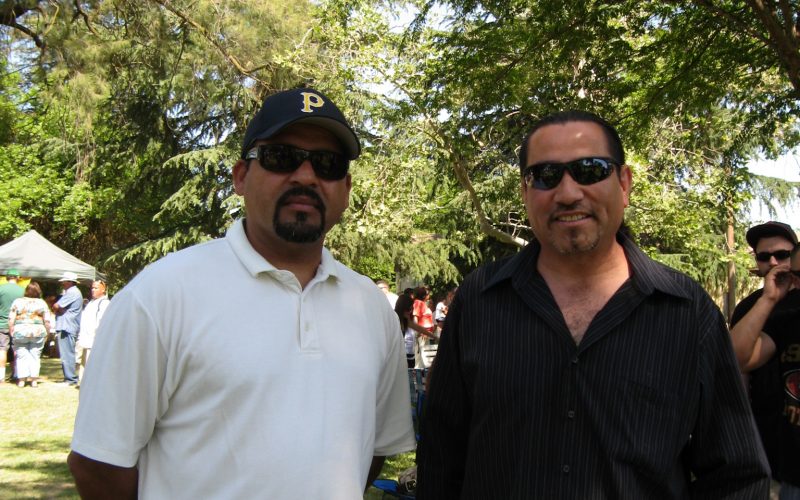
Where are all the dads? When a Merced middle-school principal found himself asking that question at a parent-teacher conference, he reached out to fathers and asked them to come to the school. The Tiger Dads club soon formed. Clare Noonan reports.

Where are all the dads? When a Merced middle-school principal found himself asking that question at a parent-teacher conference, he reached out to fathers and asked them to come to the school. The Tiger Dads club soon formed. Clare Noonan reports.

Confused about that new health care buzz word — the “medical home” ? A project in Fresno is exploring the potential of that model and finding it helpful. Here’s a story that explains what it’s all about.
By Melissa Flores
Judy Daniels, a Salinas senior, doesn’t drive anymore. Her family members live out of the area and she doesn’t like to impose on friends to drive her to the grocery store, doctors’ appointments or to do other errands. In January, her options for getting around her town increased with a nonprofit transportation service that allows seniors, the visually-impaired or others with limited mobility to get from point A to point B at a low cost. Independent Transportation Network Monterey launched in January and by March had tripled the number of rides they gave to members their first month.
By Helen Afrasiabi
Though Santa Ana initiated its ban on medical marijuana dispensaries almost five years ago, only recently have code enforcement officers decided to crack down on these operations.
By Brenda Duran
In the early days of the epidemic, it didn’t take long for word to spread about the AIDS Food Store through a steady stream of referrals from local health and social service agencies. Today, the AIDS Food Store continues to serve as a safety net for people with limited incomes.
By Mary Flynn
Since healthcare reform has started rolling out in California, community clinic have moved towards becoming ‘medical homes,’ or centers of care. That means qualifying low-income patients have access to primary care, pharmacy services, or specialty care. And especially exciting to health specialists is the new availability of mental health and substance abuse services, which are being included at clinics for the first time. But those benefits are dependent on the continuation of federal healthcare reform.
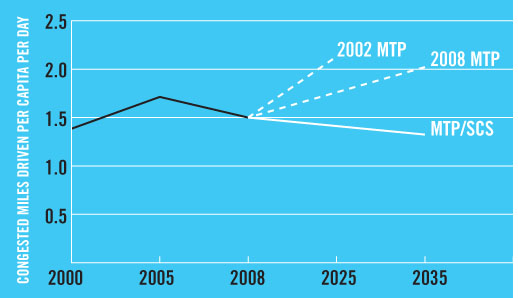
Sacramento freeways are notorious for traffic during rush hour. Not only is the capitol region flanked by two major rivers, cutting off potential access routes in and out of the area, but its suburbs are expanding at a rapid rate. But help may soon be on the way.
By Robert Fulton
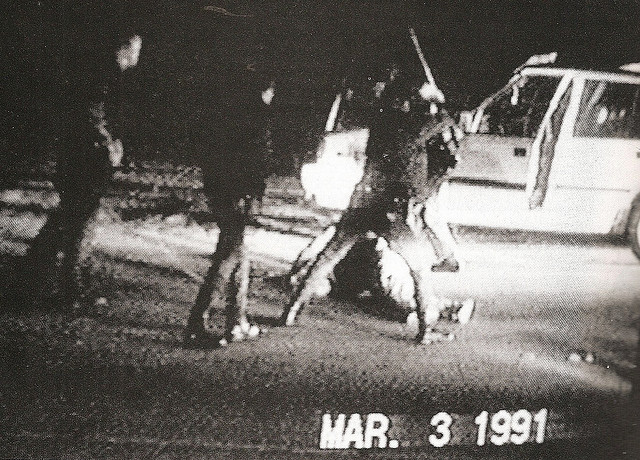
This month marks the 20th anniversary of the 1992 Los Angeles Riots. And according to residents and community leaders in South Los Angeles, too little has changed over the past two decades.

By Enrique Gili
Streets take on the look of an unruly Eden in the leafier parts of San Diego. Lawns, large lots, even sidewalk medians are interlaced with fruiting varieties of trees, palm trees and lush vegetation. Sometimes the abundance of common produce – lemons, oranges, avocados – can overwhelm homeowners. So locavores and food security advocates have teamed up with a growing number of volunteers, matching overburdened homeowners with pickers eager to help haul the excess produce to food pantries throughout San Diego County.
By Lynn Graebner
What if the first thing on the to-do list for people coming out of prison was to repair the relationships with loved ones who were most hurt by the crime and it’s consequences? A tool called reintegration circles is helping ex-offenders to do just that.