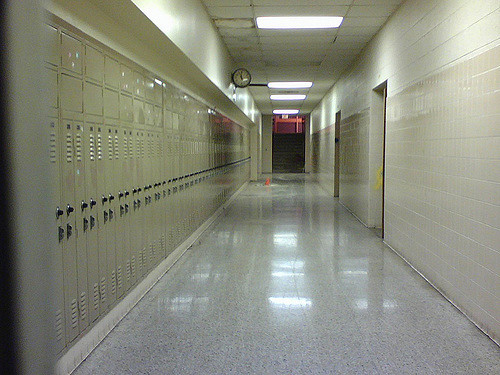
The Oakland Unified School District wants to be the first major urban school district in the nation to guarantee universal access to primary health care to all its students – and it’s well on its way to accomplishing that goal this year.

The Oakland Unified School District wants to be the first major urban school district in the nation to guarantee universal access to primary health care to all its students – and it’s well on its way to accomplishing that goal this year.
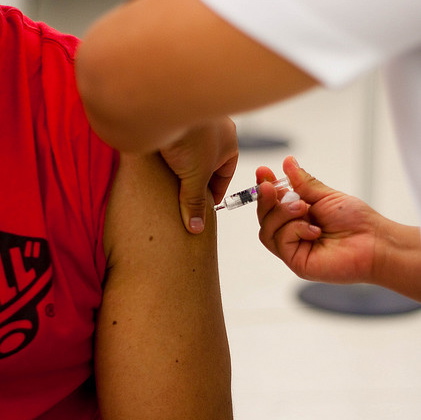
As a growing number of Californians exempt their children from required immunizations, public health departments statewide are launching campaigns to try to persuade them to vaccinate, and legislators are trying to make it harder for them to get exemptions.

Since the mid-eighties, the pool of traditional foster families has been shrinking. Child welfare agencies started looking to relatives or people connected to the family as guardians as an alternative to foster parents. Today, more than a third of foster kids in California are in kinship care.
By this time last year Richmond High had recorded close to 500 suspensions. This year the school, which caters to one of the poorest and most underserved student populations in the Bay Area, has halved that number through an approach inspired by the Restorative Justice movement.

Teen pregnancy rates in the US have decreased dramatically in recent years, and California’s rates of teen births are as low as they’ve been in the last two decades. But the news about teen pregnancy isn’t uniformly good, advocates say. Latinas and African Americans have much higher teen birth rates than white teens in California, mirroring a national trend, and state budget cuts threaten the state’s prevention programs.

Children in communities south of San Diego near the port and the traffic-choked border suffer higher rates of asthma than kids in other parts of the county. Is diesel pollution to blame?

Brian Warth was behind the wheel in a drive-by shooting in 1992. At 16 years old, he was tried as an adult and spent 16 years in prison. He made the most of his life on the inside, taking college and trade classes and spending 10 years as a prison pastor. Today, he’s also advocating for the California Fair Sentencing for Youth Act, which would give prisoners who were sentenced as juveniles to life without parole a small chance of release.
Juvenile justice realignment resulted in a small numbers of kids in state detention – but most of the kids there are being held because they committed violent crimes. What will happen to this small group of juvenile offenders if the detention centers, which now hold so few people, closes?

California counties could learn from the decade-long juvenile realignment process as they struggle to incorporate adult inmates from state prisons into their county jails and reduce overall inmate populations following the passage of AB 109. The state reduced the juvenile population by 88% since 1996 – and did it with no increase in juvenile crime.

Community members, volunteers raise money and equipment for deaf and hard of hearing students.