It’s a brilliant new idea for a rapidly aging population: a health center serving older adults that offers wraparound care spanning medical, dental, vision and mental health. Add specialties like dementia and end-of-life care. Finally, blanket patients with case management to connect them with important social services like housing, food, and other social programs for nutrition advice and abuse prevention. New? Sure, in 1976.

Aging
Baby boomers are living longer than their parents but they are not as healthy, a new study says. The study, published in the Journal of the American Medical Association, says boomers born between 1946 and 1964 have higher rates of chronic disease, more disability and lower self-rated health than people were the same age 15 to 20 years ago. Boomers are more likely to be limited in performing daily tasks and are twice as likely to use a cane. They’re also more likely to suffer from heart disease and diabetes.
When Bob Dylan sang “The Times They Are A-Changin,’” he spotlighted a cultural revolution that was altering politics, race relations, and the world he was radically transforming himself: music. Today, another musical revolution is igniting older adults with music from their own pasts, waking minds deadened by Alzheimer’s Disease and other forms of dementia with tunes that often illuminate a buried spark of humanity.
This week Matt Perry, who has been covering aging issues for Healthy Cal for more than a year, begins a twice-monthly column on aging with dignity. Matt’s columns will explore the public policy and private innovations that make an independent life more accessible to older adults — and issues that stand in the way of seniors living the way they’d like. His first piece takes a personal look at his mother’s recent battle with Alzheimers, and what it taught him about the potential — and lost opportunities — of our aging generation.
A haven for aging enthusiasts, the Center for Successful Aging at California State University, Fullerton has adopted a holistic approach to growing old that embraces the full spectrum of human experience: mind, body and spirit.
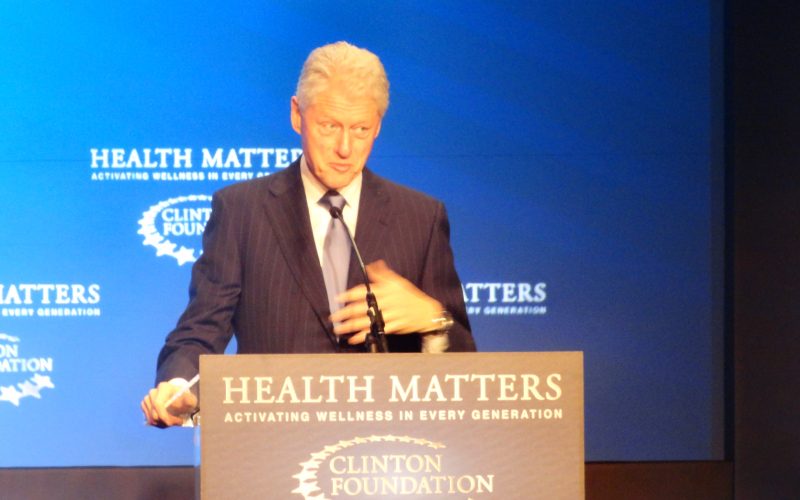
Think big. That was the charge given to 125 health experts from across the Coachella Valley at a recent planning conference hosted by the Clinton Health Matters Initiative (CHMI). “We are looking to set big, audacious goals here,” Ginny Ehrlich, CEO of the CHMI, told the crowd.
Scientists looking for a correlation between factors like childhood hunger and cognitive aging found a surprising result.
Birds do it. Bees do it. And so do grandmothers and grandfathers. Touching, intimacy and sex are central pleasures to the human experience, yet don’t stop when older adults qualify for Medicare.
The long and hard-fought battle Eileen Hadidian has been waging against bone cancer for more than 10 years seems to be drawing to a close. Doctors earlier this month said she is probably just a few days, or maybe even just a few hours, away from death. When that happens, the 64-year-old Lebanese American woman will become just another statistic in a health care system that fails to provide frail seniors and people with disabilities like her the long-term care they need – a situation that is sending many families into bankruptcy.
Two immigrant populations – older adult refugees from war-torn Afghanistan, and the Sikh parents of Silicon Valley-bound tech workers – have found a haven in one southern Alameda County city committed to fostering cultural harmony among its ethnic seniors. In diverse Fremont, the cornerstone of this harmonic convergence is the city’s innovative outreach effort CAPS – Community Ambassador Program for Seniors – which recruits leaders from local ethnic communities to guide members through the labyrinth of available healthcare and social services.