
Retailers and the designers who work for them are beginning to eye a vast new market: older adults with a taste for style and money to spend.

Retailers and the designers who work for them are beginning to eye a vast new market: older adults with a taste for style and money to spend.

Older adults facing age discrimination or squeezed out by employers looking to cut costs are increasingly finding entrepreneurship a surprisingly realistic option in a rugged new economy.

Imagine taking a job without knowing how much you’ll be paid. Or having your car fixed without knowing the cost. That’s how state health insurers and our most vulnerable patients – the old, sick, and poor – feel about California’s latest plan to squeeze them into a new managed care program that may be woefully unprepared for a transition scheduled for the fall.

Three recent stories about brain health and dementia spotlight a frequent conundrum in the world of health: sometimes pills just don’t have the answers. In an eye-opening March report, the Alzheimer’s Association claimed that one in three adults over 65 will die while suffering from dementia – Alzheimer’s Disease in its most pernicious form. Another study, by the RAND Corporation, tallied the annual costs of dementia at between $157 billion and $215 billion – more than heart disease or cancer.
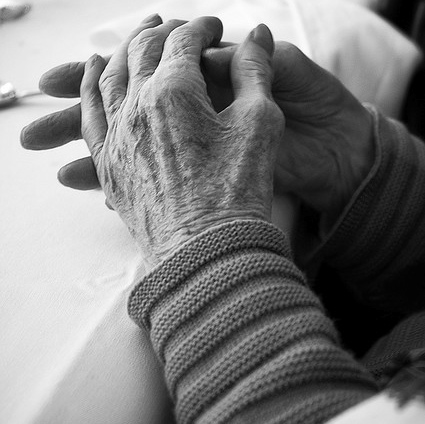
The day the north tower of the World Trade Centers fell into her office at Lehman Brothers world headquarters, Katy Thomas Fike’s world changed forever. Matt Perry’s latest column on aging with dignity.

As the US population ages in record numbers, home care workers are becoming part of an increasingly in-demand market. They make an independent life possible for thousands of seniors and people with disabilities, but in the Central Valley and elsewhere across California and the US, they’re barely scraping by themselves.

A change in the way depression is diagnosed in the bereaved – to be implemented in May by the American Psychiatric Association – could have a particular impact on older people.

If there is a modern mystic channeling Dylan Thomas’ famous poem “Do Not Go Gentle Into that Good Night,” it would be Ashton Applewhite. The excitable New York writer and scholar is rattling the cages of ageism to counter prevailing attitudes that older adults are unhappy, unproductive, or even worthless.
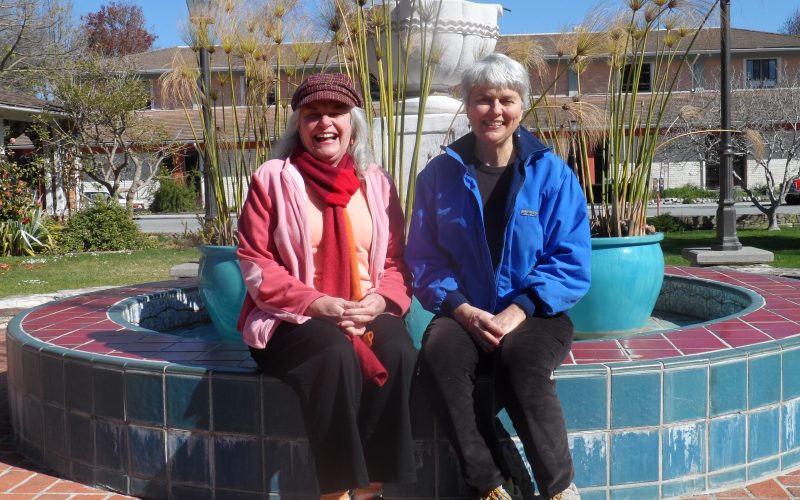
Asking for help is often hard for seniors, but it’s getting easier thanks to an innovative web-based program underway in Santa Cruz and cities across the U.S. Time banks let seniors and people of all ages exchange their skills and time for services they need. By sharing their talents, time bank members are knitting together a multigenerational community, building support networks and friendships.

When last Sunday’s Academy Awards gave its Oscar for Best Foreign Language Film to the French-language “Amour,” it was another indication that the stories of older adults are going mainstream.