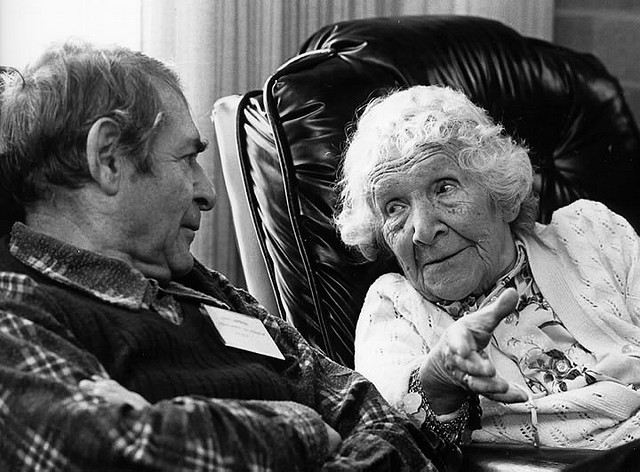
With San Francisco rents rivaling those in New York City and evictions skyrocketing as real estate speculators eject long-time residents, there are thousands more older adults who would like to join Mission Creek’s 180 existing tenants.

With San Francisco rents rivaling those in New York City and evictions skyrocketing as real estate speculators eject long-time residents, there are thousands more older adults who would like to join Mission Creek’s 180 existing tenants.

With summer in full swing, readers are devouring literary fare ranging from secretive thrillers starring globetrotting spies to melodramatic romances. Yet only rarely will any of these books – from summer or any season – feature older adult protagonists.
A typical American family caregiver is exhausted, stressed out and depressed.

With more than 8,000 Americans turning 65 every day and chronic disease gobbling up nearly one-third of the American health-care dollar, the need for caregivers – both family and hired – is staggering.
Laguna Honda serves as the city’s primary “hospital-based nursing facility” for San Francisco’s old, poor and sick, offering an astounding array of rehabilitation services amidst a welcoming atmosphere that’s a far cry from typically sterile healthcare interiors.

“It’s the magic of risking everything for a dream that nobody sees but you.” That line from the movie “Million Dollar Baby” – the last to screen at San Francisco’s Coronet Theater, now home to the city’s Institute on Aging – captures the dream of aging pioneer Dr. Lawrence Feigenbaum, who nearly 40 years ago envisioned comprehensive health services as an alternative to nursing home placement.

As Californians gear up for the final phase of health-care reform in January, seniors around the state are still wondering what to expect.
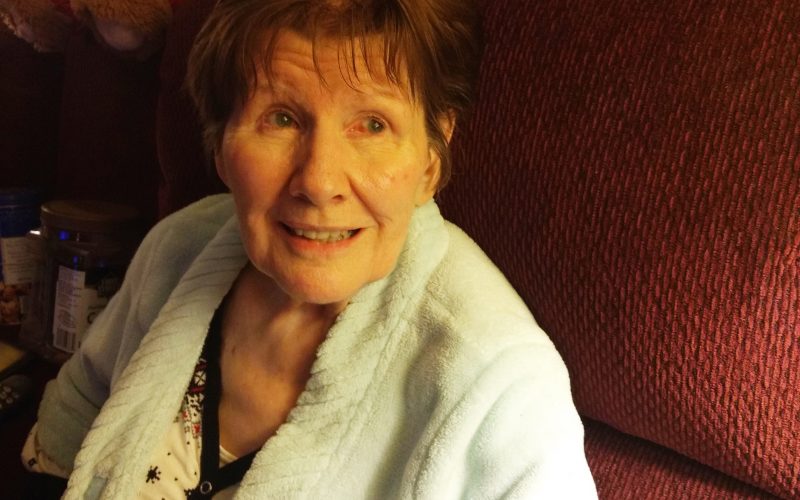
Every child knows that when trouble strikes, when mom and dad just don’t understand, there’s always one person who will listen until everything is better. Grandma. Recent research, in fact, indicates that grandmothers who suffer from Alzheimer’s Disease and other forms of dementia may actually gain more empathy for the world around them. But can 13 grandmothers from around the globe help save the planet? Matt Perry’s latest column on aging with dignity.
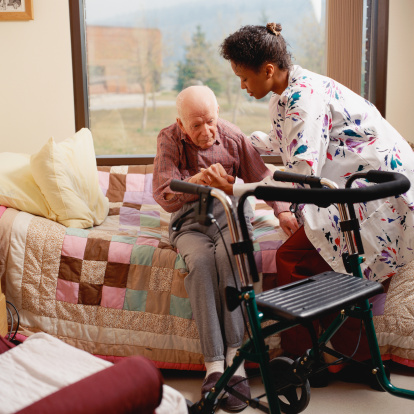
The exploding number of older adults in the United States – over 8,000 people turn 65 each day according to the U.S. Census Bureau – means Baby Boomers are staring into a terrifying abyss as a faltering economy wreaks havoc with retirement funds and the ability to pay for long-term care.

More than 15,000 in well-heeled Santa Clara county seniors live in poverty, taking home less than about $900 a month. And one in four older adults – nearly 50,000 seniors – live “near poverty” – less than twice the federal poverty level. When factoring in the true costs of living in this expensive area, nearly half of the county’s older adults are considered impoverished. The Senior Peer Advocate program – or SPA – was spawned by the Santa Clara County’s Aging Services Collaborative of Santa Clara County in hopes of connecting seniors with essential services — in particular affordable housing and transportation.