Many young immigrants in California don’t realize that they may be eligible for health coverage, even if they don’t have legal status. But even if they are aware, there’s another hurdle — the cost of the application. As Natalie Jones reports, the fee to apply for Deferred Action for Childhood Arrival status is $465 per person.
Access
The Camacho family has six children, none of whom have health insurance. The Sacramento residents emigrated from Mexico about 13 years ago, staying without legal papers. They are among the estimated 2.6 million undocumented California residents who will largely be left out of health-care reform.
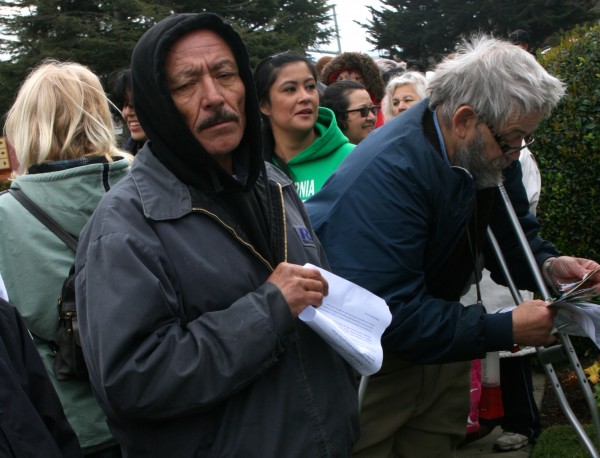
When the first storm of the season hit California’s Central Coast, the rain was no deterrent to the more than 300 people who showed up at Blanco Circle Dental Care in Salinas, seeking free treatment. They starting arriving the night before—some sleeping in cars, some sleeping in tents—waiting out the frigid February downpour in hopes of getting their teeth fixed.
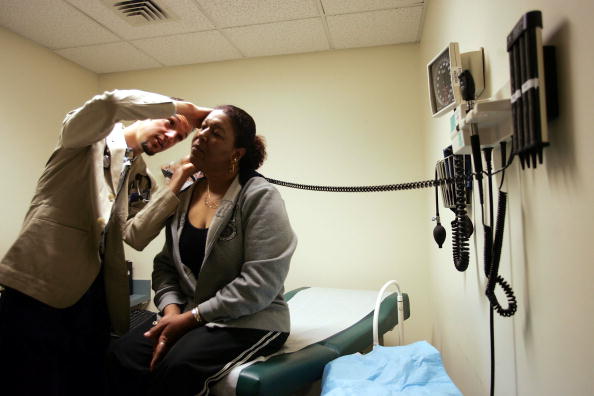
Everyday George Ma waits for the money the state owes him. The internist, who sees some of Los Angeles’ most destitute residents and receives meager reimbursement, was supposed to get a pay boost beginning in January 2013 as part of the Affordable Care Act.
With three part-time jobs, a 14-month-old son with Down syndrome and two other children with autism, Lisa Carey has plenty to keep her busy. So when the Los Angeles mother began receiving bills last year from her health insurance company asking her to pay more than she believed the policy called for, it was a hassle she could do without.
Doctor Paul Glassman has spent his 40-year dentistry career looking for ways to make going to the dentist more affordable and accessible. As technology has evolved, so have his strategies. Glassman and his team at the University of the Pacific School of Dentistry think they’ve found a way to serve millions more clients through virtual dentistry. The only problem is that current laws don’t allow it.
Where you live in California may determine how easy it is for you to see a doctor. Those most in need of health care have the least access, according to a report released Wednesday by the California HealthCare Foundation.
Medicare coverage for outpatient mental health care is now in line with medical coverage, thanks to a law that closed the gap as of Jan. 1. Experts say it’s a step in dispelling long-standing disparities between the two, but the change addresses only one of many hurdles in providing seniors with adequate mental health care.
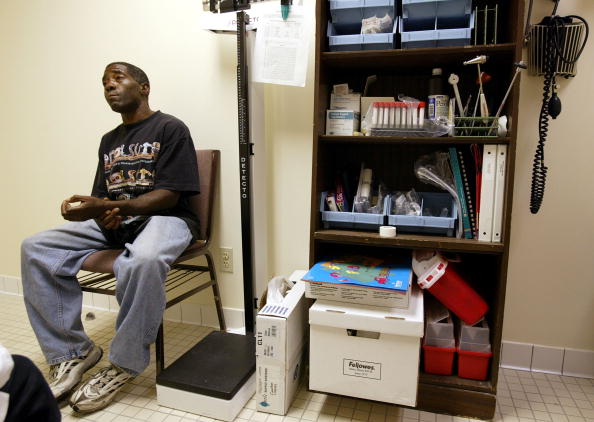
Some homeless people have trouble understanding the Medi-Cal enrollment process or providing the needed paperwork. Others would just rather be around other homeless people. Because of their hard life on the streets, they don’t always feel comfortable in more traditional settings.
When Sara Wysuph of Santa Cruz learned that her brother-in-law Jason Jones had been diagnosed with acute myeloid leukemia, she was determined to help him and his family get the financial and emotional support they needed.