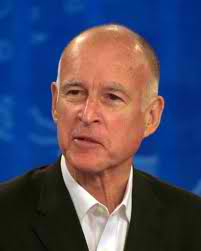
As the Legislature moves closer to voting on a budget largely reflecting Gov. Jerry Brown’s proposed spending plan, Democrats are learning that a power they have long sought — to pass a budget with a majority vote — might not be the lever they thought it was going to be.

Author: Daniel Weintraub
Even as Republicans and Democrats fight over the future of health care reform in Washington, California is quietly laying the groundwork for what could be a revolutionary change in the way government policy keeps people from needing health care in the first place.
Gov. Jerry Brown wants California voters to weigh in by June on his plan to balance the budget. But the voters, polls show, know next to nothing about the state’s finances, and much of what they think they know is wrong. That widespread ignorance, understandable in a state as complex as most countries, might play a role in shaping the debate over Brown’s plan, and ultimately the outcome.
California is making early progress toward its goal of reducing the use of motor vehicles, but more creative and aggressive public policies will be necessary to get people to switch from driving to walking, biking and using public transit, according to a new report from the Public Policy Institute of California.
Increasing numbers of Californians believe that unhealthy eating habits and the lack of physical activity are major problems for California’s children, according to a new, independent poll by the Field Research Corporation.
A second federal judge has ruled that the federal health reform law passed last year violates the US Constitution, matching the two judges who have affirmed the law’s legality. The dueling opinions all but ensure that the matter will be decided in the Supreme Court.
Californians are not too fond of Gov. Jerry Brown so far and they don’t quite understand the state’s budget mess, but they seem to like the ideas that Brown has put on the table for solving the state’s fiscal predicament, according to a new poll from the Public Policy Institute of California.
If there were still any doubt that the healthy foods movement has reached critical mass, it was dispelled Thursday when Walmart jumped on the bandwagon with promises to improve the nutritional content of food it sells in its superstores. The retail giant vowed to force its suppliers to reduce the sugar and sodium content of the food it sells and eliminate trans fats from the products on its shelves. The company also pledged to bring down the price of healthy foods so that they are on par with less healthy fare.
If every crisis also presents an opportunity, state Sen. Mark DeSaulnier thinks the state’s current predicament makes this an ideal time to restructure the way government operates. DeSaulnier, a former Concord city councilman and Contra Costa County supervisor, has seen California government from just about every level, and he has seen its dysfunction. Now he is chairman of the Senate budget subcommittee that deals with health and human servivces programs, and he is hoping to use the crisis to drive innovation and collaboration into the system. I caught up with DeSaulnier last week at the Working Families Summit in Sacramento, and discussed his take on the problem and potential solutions.
California’s landmark paid family leave benefit has helped low-wage workers manage time off work to care for a newborn or a seriously ill family member but has not been an unreasonable burden on the state’s employers, according to new research on the six-year-old program. The research, based largely on surveys of employees and employers, found that the family leave program is popular with people who have used it but is still largely unknown and underused among the people who might need it most.