
In-Home Supportive Services is California’s major in-home care program for people with disabilities. But what happens when the person who needs the care doesn’t have a home where services can be provided?

In-Home Supportive Services is California’s major in-home care program for people with disabilities. But what happens when the person who needs the care doesn’t have a home where services can be provided?
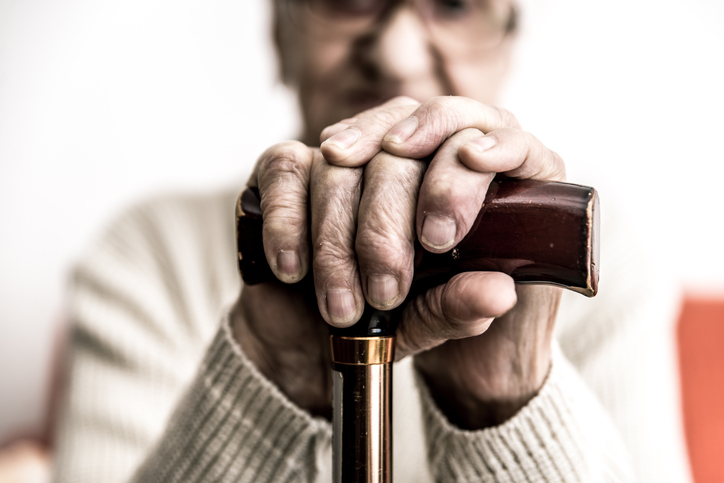
What many California seniors and older adults don’t realize is that California offers a respite for them when their parents or other family members become ill. A surprisingly low number of caregivers take advantage of the temporary relief, which is automatically deducted from employees’ paychecks.

The combination of soaring rents and aging baby boomers has created an insatiable demand for affordable housing in California. Thousands of people apply just to get on a wait list. As a result, some low-income seniors die still hoping for a place of their own. In the meantime, they cram into shared spaces, live with family, sleep on couches or even end up homeless.

A federal effort to clamp down on Medicare fraud has inadvertently opened up new possibilities for fraudsters who prey on the elderly, prompting a California-wide education campaign. While federal officials hope the change will make it harder for criminals to steal Social Security numbers and benefit fraudulently from the Medicare system, criminals are apparently seizing on news about the change to take advantage of unsuspecting seniors.

Drug labels can pose a huge challenge for non English-speakers. Inability to read labels can put them at risk of taking the wrong medicine or dosage, of failing to adhere to instructions that minimize side effects, and may even lead them to give up taking needed medications altogether.

The Chinatown Service Center is the largest community-based Chinese-American health and human service organization in Southern California, serving immigrants, refugees and others in need of assistance. The center, which largely serves those who have nowhere else to go, would not be a robust social or medical refuge if it were not for the Affordable Care Act.

Originally prescribed opioids for foot pain, 67-year-old veteran nurse George Ates eventually found himself on a fentanyl patch that would swiftly kill someone who hadn’t built up a high tolerance to opioids. On the surface, Ates appears to be another of the millions of Americans caught up in the nation’s epidemic of opioid drug use. While one may think of the phenomenon as on that has mostly swept up younger adults, Ates’ struggles are actually commonplace at California’s hospitals.

After her Multiple Sclerosis diagnosis in 2007, Julie Williams decided to commute to work on a bike to improve her health. She quickly found it improved her physical, mental, and emotional well-being.

People who rely on Medi-Cal for their health insurance are finding it difficult to get critical care because the state’s reimbursement rates to doctors are unreasonably low, a new lawsuit alleges. While the problem affects all age groups, older Californians find it especially

Samuel Raymond Curtis is very familiar with hospital stays. For the past two years, the 58-year-old homeless man who suffers from problems related to a hernia has been in and out of hospitals in Ventura County more times than he can count. Each time he got treated and released back onto the streets, he said. It wasn’t long before his health started deteriorating again. “I’d