
Should patients in rural California have to drive four times as far to see a neurologist as someone who lives in Los Angeles? Should your access to health care depend on your zip code?

Should patients in rural California have to drive four times as far to see a neurologist as someone who lives in Los Angeles? Should your access to health care depend on your zip code?

The future is hot, and seniors, who are more prone to heat stress than younger adults, will be among those most affected by rising temperatures. With the over-65 population projected to expand rapidly in the coming decades, the accompanying hotter weather could place an enormous burden on emergency and health care infrastructure.
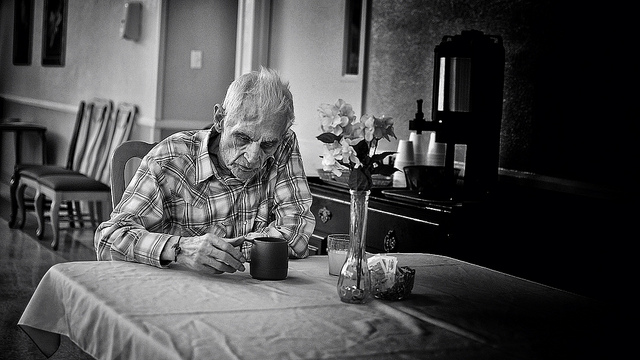
Research has found that about 20 percent of people in senior care facilities have experienced antagonistic behaviors nationwide. As older adults face aging—and the mental and physical losses it brings—bullies try to assert control, just like their middle-school counterparts.

As California’s Latino population ages, promatoras are increasingly seen as a way to boost senior health in a way that honors their culture.
A promotora typically receives specialized training to provide information to residents in the Latino communities in which they live. Promotoras make house calls, go to PTA meetings and offer informal presentations in school classrooms.

A San Francisco program connects low-income seniors who have become socially isolated, have trouble connecting with others (or even leaving their homes) with companionship.
Food banks and advocates for seniors are nervously eyeing a looming threat to the nutritional wellbeing of the poor, elderly and disabled: a proposed $193 billion cut to federal funding for SNAP over the next 10 years. The cuts to the program, which was once called food stamps and goes by the name CalFresh in California, were proposed as part of President Trump’s 2018 budget.

Aid and Assistance, a benefit for low-income veterans and their survivors, is underused, according to veteran service officers. Though there are 21 million vets nationwide, only 116,000 veterans and 126,500 survivors participate in Aid and Assistance.

Realizing a one doctor’s dream, a combined housing and senior services center serves one of San Francisco’s historically African American neighborhoods.

Older Californians could face increasing financial hardship and difficulty finding health care if Republican-led efforts to overhaul the nation’s health care system move forward, state officials and advocates agreed. The American Health Care Act (AHCA) would drastically cut federal funds used by states to provide health services to poor and disabled seniors. The budget slashes funding to Medicaid, the federal insurance program for low-income people, known in California as Medi-Cal.

Adults are now allowed to possess and use up to an ounce of marijuana in California. But a remaining barrier to elders’ ability to use medical marijuana could be their living situation, particularly if they live in facilities, such as nursing homes that receive federal funding, as all marijuana use is illegal under federal law.