
California’s public schools receive more than $400 million each year to provide mental health services to students, but at least 580,000 kids in the state have been left without help, a new report finds.

California’s public schools receive more than $400 million each year to provide mental health services to students, but at least 580,000 kids in the state have been left without help, a new report finds.

The perceived steep cost of health insurance deterred nearly half of Californians who went without coverage in 2014, a new study reports.
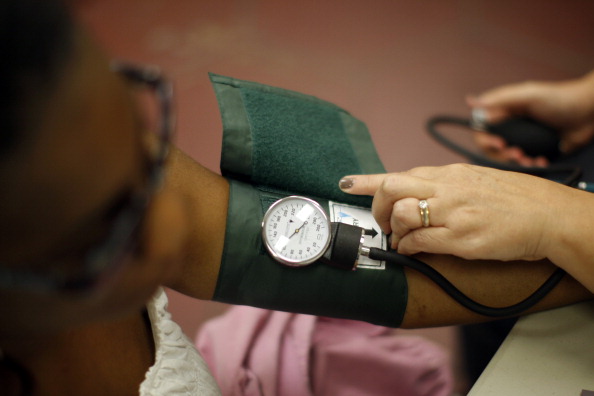
Eva, an undocumented immigrant and single mother in Bakersfield who harvests grapes to support her three children, suffered from daily hemorrhaging for eight months after delivering her third child. A physician at a federally-funded community clinic sent her to the hospital to get a biopsy for a uterine growth. But despite many trips to the emergency room to treat her symptoms, she was told that she would have to pay $450 before they would perform a biopsy.

On the second Sunday of each month, the Orange County Great Park in Irvine looks like a county fair. Balloons and banners; families with kids in strollers; mobile trucks holding eye catching displays with greeters inviting families in.

Fifteen years ago, Laura Wilcox, a 19-year-old college student, was killed by a man with a history of mental illness while she was working at a mental health clinic in Nevada County. After her death, Wilcox’s parents pushed for legislation they believed would prevent similar tragedies and in 2002, the California State Legislature passed that legislation, known as Laura’s Law, giving county courts the right to order assisted outpatient treatment to severely mentally ill patients at the request of a family member or other concerned party.

California counties are building a patchwork of health plans to cover the last big group of uninsured residents: immigrants living here without legal documentation. With Californians enthusiastically taking advantage of the Affordable Care Act, the number of uninsured residents is plummeting.

Although California’s low-income health plan paid for prenatal care, until recently it sometimes didn’t cover other medical conditions that women faced during pregnancy. The exclusions included conditions, ranging from broken bones to cancer, that could influence the health of the baby.
Women of color in California say they have a more difficult time finding a personal doctor and affording visits than white women, according to a new report.

Sometimes the U.S. health care system can seem stuck in the last century: overly centralized, bureaucratic, and definitely not consumer-friendly. But behind the scenes a scientific revolution is taking shape that will likely transform medicine, even if the administrative side of the industry isn’t quite ready for it.
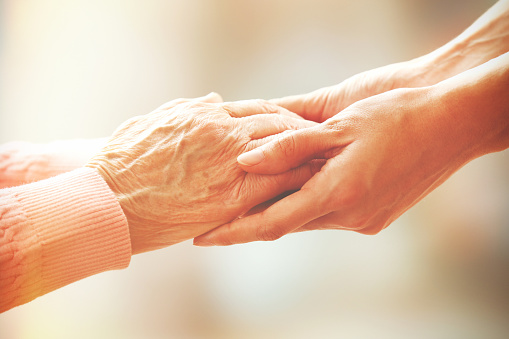
A California statute allowing nursing homes to make medical decisions for residents incapable of doing that for themselves and who have no family or legal representatives has been ruled unconstitutional.Advocates for nursing home residents say the ruling offers long overdue protection for the rights of the elderly. Rights that already exist for prisoners and the
mentally ill.