California’s prisons will have 40,000 fewer inmates by 2017 and the state will be supervising 51,000 fewer parolees thanks to an historic shift of responsibility for low-level criminals from the state to county governments, according to a report released Thursday.
Opinion
The legal settlement reached Thursday among five big banks, the federal government and 49 states won’t fix the housing market, but it should help two categories of homeowners who are plentiful in California.
Every once in a while a report comes out that’s a game-changer, it makes you look at an issue in a different way . . . or at least it offers the opportunity to do so. Falling Behind: The Impact of the Great Recession and the Budget Crisis on California’s Women and their Families is such a report, released Wednesday by the California Budget Project (CBP), along with the study’s funder, the Women’s Foundation of California.
To help expand access to high-quality, cost-effective care for all California citizens, the California Academy of Physician Assistants (CAPA) has partnered with NeedyMeds, a national non-profit organization, to launch a prescription drug discount card that will help Californians lower the costs of their medications and other health care services. The discount card is free and can be used by all California families to save up to 80% off the cost of prescription medications.
We get a lot of blank stares when we tell people what we do for a living. Our title is unfamiliar, but once we explain what we do, heads begin to nod. We are Patient Navigators, a health care position that has emerged recently and must be commonplace if we’re to adapt to the changes that health reform will soon bring.
As we ring in 2012, most of us take stock of this new beginning by creating New Year’s resolutions. We think about life’s everyday realities, such as what we eat, our exercise habits, our aspirations, and vow that this year will be different – better. As a physician, I encourage New Year’s resolutions, especially when they involve altering your lifestyle to support healthy aging. This year, I suggest a different kind of resolution, one that may be more difficult to consider. I invite you to think about what aging with dignity and independence means. Then take time to have the tough conversations with your loved ones about what is important to you as you grow older, and how you will get help should you require daily assistance.
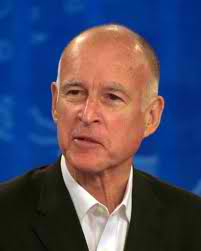
Gov. Jerry Brown is proposing the most far-reaching changes to welfare since former President Bill Clinton and Congress overhauled the program 15 years ago.
The state’s health and social safety net for its poorest residents would be slashed even if voters approve a tax increase that Gov. Jerry Brown proposes for the November ballot, Brown said Thursday as he released his spending blueprint for the coming year. And if the voters reject new taxes, he said, California’s schools and universities would go on the chopping block. Brown’s budget includes deep cuts in welfare, Medi-Cal and home-based services for the disabled, which he wants to enact as soon as possible, and threatens a huge reduction to education – the equivalent of three weeks of classes — if voters reject a proposed increase in the sales tax and income tax in November.
Gov. Jerry Brown delivered what passes for good news today: the automatic budget cuts built into this year’s budget as a hedge against a revenue shortfall will not be as bad as many feared. Brown said a recent surge in revenues helped trim the shortfall, and the automatic cuts that would be triggered by that shortfall. The big news: kindergarten-through-12th grade education was spared an anticipated $1 billion cut that would have almost certainly meant a reduction of at least a week at the end of the current school year. But higher education, local prosecutors’ offices, Medi-Cal and services for the disabled will all be cut. And this probably won’t be the end of it.
For decades, Americans have debated health care reform as if it was one issue. But, in reality, there are two different issues. The first is how to expand access to care for the 30 million most vulnerable Americans. The second is how to seize control of escalating health care expenses and insurance premiums.