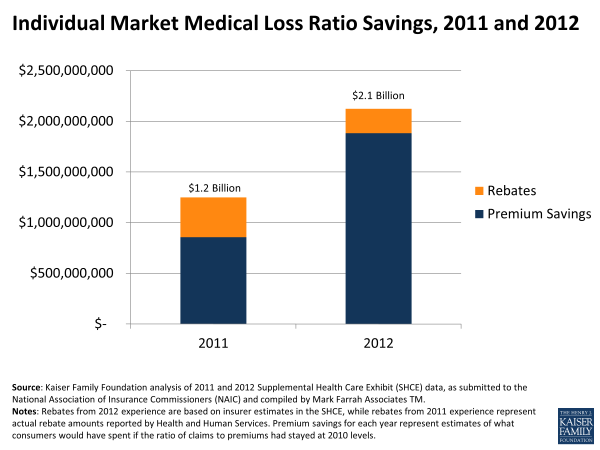
New federal rules limiting how much insurance companies can spend on administration and profit are saving consumers more than $2 billion a year, according to a study by the Kaiser Family Foundation.

New federal rules limiting how much insurance companies can spend on administration and profit are saving consumers more than $2 billion a year, according to a study by the Kaiser Family Foundation.
California’s new health insurance marketplace is starting to come into focus as a state agency in charge of implementing President Obama’s federal health reform steadily adds more and more detail to the emerging picture, like a painter filling in a vast canvass. But exactly how the final image will look to consumers remains a bit murky. And we probably won’t know the answer until after the health benefits exchange, known as Covered California, opens for business Oct. 1.

Researchers at UC San Diego and UC Irvine have launched a project to examine the potential of using data from personal fitness monitors to help scientists explore public health and social science issues.

It’s fair to say that California is the richest state in the nation. We have more millionaires than any other state, and mansions dot our coastal bluffs and inland canyons. But California is also, arguably, the poorest state in the nation. We have more people in poverty — 6.1 million — and more children in poverty than any other state. Even more ominously, a new measure of poverty shows that California has the highest percentage of its population living below the poverty line.
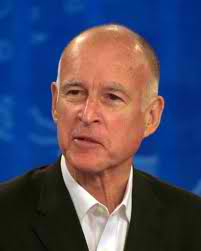
Gov. Jerry Brown and his fellow Democrats in the state Legislature are headed for a showdown over the way California pays for its public schools. Brown is proposing a revolutionary plan to give extra state aid to schools that teach large numbers of poor and immigrant children. But he is getting pushback from some in the Legislature who think his plan goes too far – at the expense of the general-purpose money that every school district receives.

A revolution in the oil industry that’s been taking place in Pennsylvania, Ohio and North Dakota is poised to sweep through California’s oil patch, with the potential to produce hundreds of thousands of jobs and billions in tax revenue for the state.
But there’s a big catch.
Tucked between two traffic-choked freeways, the southeast corner of Santa Ana is among the least healthy places to live in California. The neighborhood’s air is dirtied with diesel emissions and other pollutants. Nearby businesses release an unusually large amount of chemicals. The community has more hazardous waste clean-up sites than almost anyplace in the state. And its groundwater is threatened by contaminants leaking from underground storage tanks. A few miles away, along the Newport Coast, it’s a different story. Traffic is relatively light, and the air is clean. There are no industrial chemicals to speak of, little hazardous waste exposure and no clean-up sites.
For six months in 2012, about 20 passionate Californians representing interests with a stake in the Sacramento San Joaquin Delta met in an intimate discussion group to try to find common ground where decades of battle have been the norm. What they learned surprised many of them. Daniel Weintraub’s weekly essay.
The vast majority of registered voters in rural California say obesity is a serious problem nationally and in their communities, and many say they wish business, government, community groups and individuals were doing more to fight the problem, according to a new poll released Tuesday.
Not long ago, California was the land of the young. Migration from other states, immigration from other countries and the Baby Boom came together to send the state’s population of children soaring. Those children, and the young adults they became, personified a culture that seemed nothing short of obsessed with youth. That’s all changing. California’s population is aging rapidly, so quickly that the state now faces what was once unthinkable: a shortage of children.