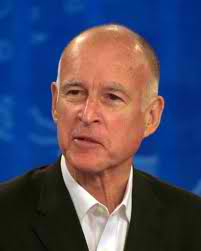
Gov. Jerry Brown’s proposal to shift nearly 1 million children from subsidized private insurance into the state Medi-Cal program is running into a wall of opposition from children’s advocates, health care providers and faith-based groups, who are now pushing an alternative that would dramatically scale back the governor’s plan.
Analysis
The health reform law passed by a Democratic Congress and President Obama two years ago appeared to be in more jeopardy than ever today after the last of three days of hearings at the US Supreme Court.
The future of America’s health care system could be decided by Anthony Kennedy, the Supreme Court justice from California who has become the court’s all-important swing vote.
One of the most common arguments in favor of the federal health reform law that the Supreme Court is weighing this week is that people without insurance overuse emergency rooms because they lack access to basic care. But new research released today suggests that people without insurance use the ER no more than those who have health coverage.
Today marks the second anniversary of President Obama’s signing of the federal health reform law. Supporters have been celebrating all week. On Monday, opponents of the law will go before the United States Supreme Court to ask that the law be struck down as unconstitutional. But while its future may seem uncertain, the Affordable Care Act is already affecting the lives of millions of Californians — expanding access to insurance, and care, for people who had been falling through the cracks.
Like parents with more than one child, Californians say they love all of their higher education systems equally. But everyone knows that the University of California is really the favorite, with its collection of beautiful seaside campuses and college-town enclaves, high-powered academics, world-renowned research labs and nationally ranked athletic powerhouses. The California State University System? Not so much.
California’s prisons will have 40,000 fewer inmates by 2017 and the state will be supervising 51,000 fewer parolees thanks to an historic shift of responsibility for low-level criminals from the state to county governments, according to a report released Thursday.
The legal settlement reached Thursday among five big banks, the federal government and 49 states won’t fix the housing market, but it should help two categories of homeowners who are plentiful in California.
Gov. Jerry Brown is proposing the most far-reaching changes to welfare since former President Bill Clinton and Congress overhauled the program 15 years ago.
The state’s health and social safety net for its poorest residents would be slashed even if voters approve a tax increase that Gov. Jerry Brown proposes for the November ballot, Brown said Thursday as he released his spending blueprint for the coming year. And if the voters reject new taxes, he said, California’s schools and universities would go on the chopping block. Brown’s budget includes deep cuts in welfare, Medi-Cal and home-based services for the disabled, which he wants to enact as soon as possible, and threatens a huge reduction to education – the equivalent of three weeks of classes — if voters reject a proposed increase in the sales tax and income tax in November.