People who live in rural areas suffer from higher than average rates of depression, an illness that can have a devastating effect on older adults. Yet California’s rural areas suffer from a shortage of mental health professionals, leaving seniors with few options for treatment.
Latest news
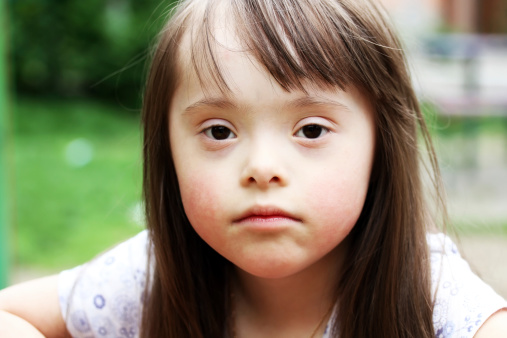
The amount of state funding given to a child with developmental disabilities varies wildly depending on where the child lives, according to a new report by Public Counsel, the nation’s largest pro bono law firm. Regions with higher black and Latino populations receive lower funding than those with higher white and Asian populations, the report said.
Legislation called the California Values Act would prevent state, local and school police from enforcing immigration laws or using their resources to investigate, detain or arrest people for immigration violations.
Though they rocked cultural norms by being open about their sexuality in their youth, these lesbian, gay, bisexual and transgender (LGBT) elders, often find that moving into an assisted living or skilled nursing facility means going back into the closet.
Interpersonal assault victims, who already faced stigma and a culture that often blames them for their assault, now must contend with a president who himself has been accused of sexual assault. Further, President Donald Trump’s immigration policies have left many California victims who are undocumented afraid to even step foot in a courthouse or police station, for fear that they may be deported.
Hepatitis C kills more people in the United States each year than any other infectious disease, yet few people realize how widespread the virus is or know what areas of the country are most impacted.
Only 9 percent of eligible infants and toddlers have state-subsidized child care. California’s day cares have the capacity to only take 25 percent of the state’s children who are 2 and younger. The number of spots available drops even lower when you take into account day cares that are willing to accept subsidies.
Planned Parenthood is a major provider of reproductive health care to primarily low-income men and women and those who live in underserved communities, says Kathy Kneer, CEO and president of Planned Parenthood Affiliates of California. For some, it’s their only source of health care.
“It’s a beautiful thing when you’ve resuscitated someone and you get them back,” says paramedic Henry Ledo, “but if you can do anything for anyone in their life, it’s at least to respect their wishes.”
Doctors across the state say that in addition to treating more babies who are born with an addiction, they’re seeing an increase in children and teens who are addicted to opiates, a class of highly-addictive drugs.