Although one of the most powerful biomedical drugs in the fight against HIV/AIDS has been available for the past four years, California health officials say the disease continues to disproportionately affect populations including Black and Latino gay and bisexual men, black women and transgender women.
Disparities
Having just bought a dozen or so quart-bottles of sports drinks – a riot of reds, yellows and blues wedged in the front of his shopping cart — Luis Gregorio Ruiz almost made it out of an Anaheim grocery store on a recent morning. But not quite. Maureen Villasenor, a physician in a white coat with a friendly manner, hustled over to Ruiz and introduced herself to him to chat about healthy drink choices.
Latino and African American children in California are about twice as a likely to be struggling with reading in third grade than their white counterparts. And by the time these children of color reach high school, they are less likely to graduate on time.
California public health officials are asking residents to share their ideas on how to boost health statewide while both lowering costs and improving care.
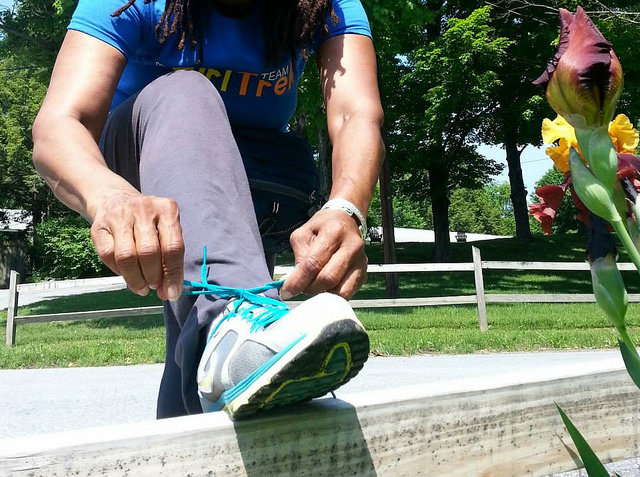
When Kendria McKnight of Elk Grove, Calif., first started walking for a minimum of 30 minutes a day, five days a week, she hoped to lower her blood pressure. She did that and much more. McKnight’s treks became part of a free national movement designed to improve the health of black women across the country one step at a time.
Gov. Jerry Brown signed a bill Monday that will grant California farmworkers overtime pay, making them the first such agricultural workers in the nation to receive standard overtime wages.
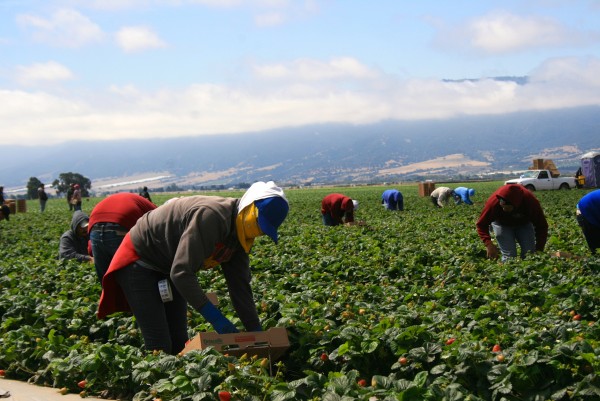
The sun has just nosed above the horizon when Maria Espinosa (not her real name) ties a bandana over her face to protect herself from pesticides and dust, and reaches for a blackberry bush. Paid by the amount of berries she picks plus a $3-per-hour wage, Espinosa works feverishly for 10 hours, stopping only briefly for short breaks and lunch. For that day in early May, Espinosa would receive no overtime pay.
Health information is increasingly disseminated online, but Latinos who emigrated to the U.S. may have trouble accessing it, resulting in a health care gap, a new study reports.
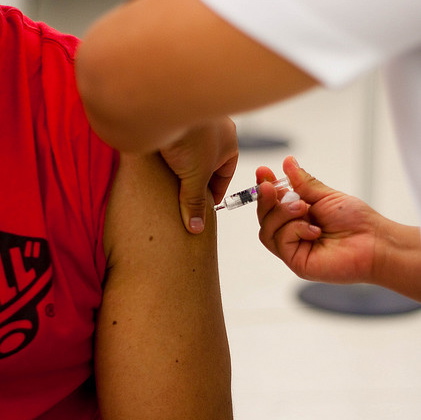
Most California adults don’t get a flu shot every year, but members of certain racial or ethnic groups are less likely to be immunized, according to a new study.
California women are significantly less likely to die from childbirth complications than mothers nationwide, but racial disparities persist, according to a new report. There were 7.3 maternal deaths per 100,000 live births in California in 2013, according to the California Health Care Foundation report released Wednesday. Nationwide, during the same year there were 22 maternal deaths for the same number of live births. But African