
Four state universities won federal grants to help train a woefully unprepared California geriatric workforce — especially in underserved communities.

Four state universities won federal grants to help train a woefully unprepared California geriatric workforce — especially in underserved communities.

The ethnically diverse population of Los Angeles County is considered a petri dish for the nation’s fast-growing cultural soup, with city and county aging agencies a model for progressive, compassionate care.

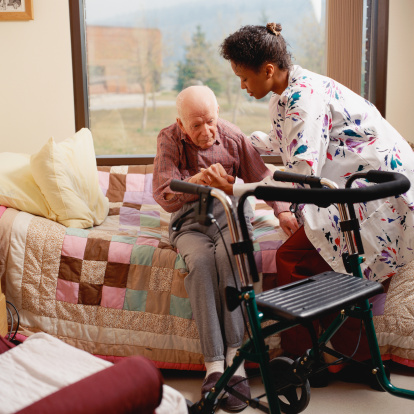
It was one of those uncomfortable moments that journalists both dread and love. Sitting in a Pasadena conference hall amidst a sea of caregivers and nursing home operators, I listened to a panel of experts outline the essential skills needed by caregivers. The advice was stellar: besides clothing and toileting seniors, caregivers should be compassionate and empathic. They should also investigate the elder’s younger years to connect meaningfully with them. In addition, they should mine subtle emotional states to uncover the underlying causes of distress.

Nearly 20 percent of California adults over 65 have trouble paying bills for basic needs but don’t qualify for aid, according to a new study.

Inside the lobby of a Redwood City assisted living center, driver Eric Wong helps 90 year-old Shirley Beitch stand and grasp her walker. Then he guides her outside to his Subaru Outback parked at the curb. Wong opens the passenger door and flips out a handle behind the seat, and Beitch grabs it to stabilize her as she turns. He holds one arm, then protects her head as she gently backs down into the passenger seat. Wong buckles her in, then puts her walker inside the rear hatchback.

A common view of investment advisers is that they place you into funds with the highest advisor fees. Then move your money around – churn, churn, churn – to reap even more cash for themselves. Your cash.

Ready or not, here they come. In just 15 years, California will have nearly twice as many seniors as today. Among them will be a rising percentage of Latinos and Asians, along with a greater number of single seniors without children to care for them.

A tiny California program to help indigent seniors afford assisted living may herald a sea change in how people without savings can obtain long-term care. And with some tender loving care, it may even help keep the state solvent.

Elizabeth Smigiel, 88-years-old, “I have a care provider that helps me with everything. And she’s from the Fiji Islands. Well, we get along great and I like her. We have our little arguments every now and then but we laugh them off too. ‘We had our argument for the day,’ we say. And she’s still with me.”
Nearly two-thirds of adults over 40 have no idea how they’ll pay for long-term care when they’ll need it. That’s one of the dismal findings from a recent survey exploring the state of aging and caregiving.