Aging

An Alzheimer’s Clinical Trial Just for Caregivers

Mallie Odle, 69, keeps a list on the refrigerator in the kitchen of her San Diego home of the things she enjoys doing in her rare spare time. Recently she checked off lunch with a pal, and she has plans to make a bigger dent on that to-do list, including some exercise classes she hasn’t attended for a while.

How 100,000 Californians are changing health care

More than 100,000 older Californians are on the leading edge of precision medicine, a trend that could transform modern health care. The Californians, all age 60 or older and patients of Kaiser Permanente in Northern California, agreed to answer survey questions and allow their medical history and DNA to be used to form a database that has been used for several studies published in the journal Genetics.

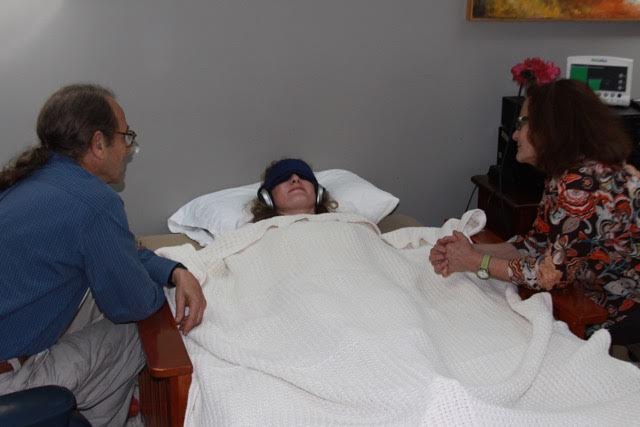
The Age of Psychedelics

When Gov. Jerry Brown signed the End of Life Option Act last month it was a celebration for many Californians who thought the “assisted dying taboo” would never be breached.

Caregivers face burnout when caring for family members

Dorissa McCalister-Carnell, Family Caregiver, “Here’s a picture of my mom and myself. This was on a Sunday morning, now I’m thinking it was an Easter morning. I see the shadow, I think my Dad was taking the picture. And this is us on our way to Greater Faith. And I want to say circa—19—I want to say around ’67 maybe, ’66 or ’67. I was a big kid so it’s hard to tell. I was always tall, so two or three, that’s about right.”

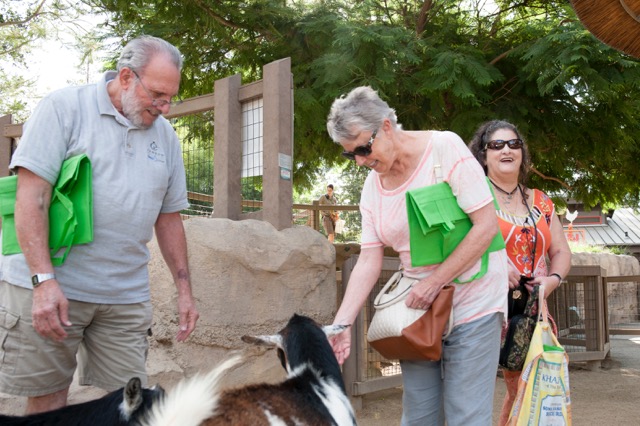
Positive Aging: Talk to the Animals

It’s not often a zoo features human cage-dancing, a cross-dressing fortune teller, sake bombs at the top of a slide, and a zookeeper who doubles as a DJ from the famed Coachella Music Festival. Yet behind this concept at San Jose’s Happy Hollow Park and Zoo is an excitable woman with a singular and highly original vernacular.

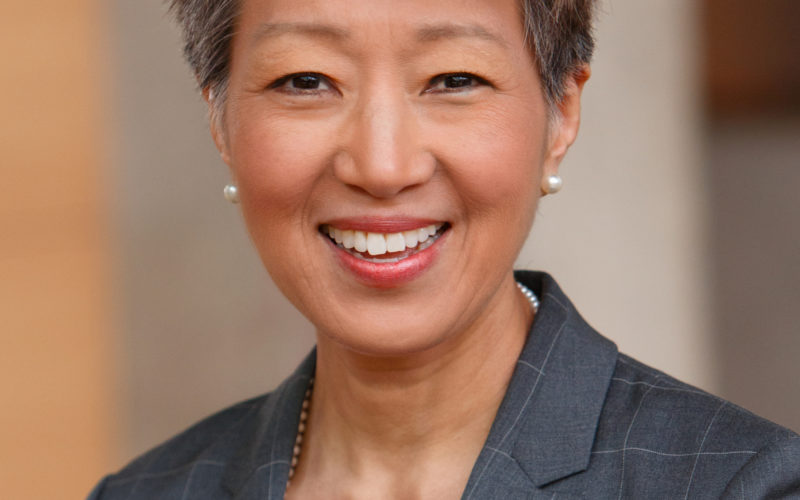
The Healing Potential of Art: Jane Chu and the NEA

Jane Chu, chairwoman of the National Endowment for the Arts, says music and art are essential forms of expression at any age, but offer unique new opportunities for older adults: to celebrate life, express grief or — for those like her mother suffering from dementia — communicate non-verbally in powerful ways.

Dementia Care: Not Just for Doctors Anymore

A pioneering program from Indiana University has spawned a handful of similar efforts across the country — including one at UCLA — that address the unique concerns of dementia patients using a two-tiered approach: most help is provided not by a physician but a “care coordinator assistant”; and equal support is provided to the patient’s overburdened caregiver.

X Close

Subscribe to Our Mailing Lists

* indicates required
Email Lists