Access

High deductible plans can be risky

Sacramento resident Tami Shepherd was shocked to find last month that in just three weeks her health insurance was being swapped to a high-deductible healthcare plan (HDHP). Waiting to have surgery for a hysterectomy scheduled, Shepherd’s husband came home from work one day and told her that his employer announced they were switching to a Kaiser Permanente plan that required high deductibles. If she didn’t have the needed surgery for a pre-cancerous condition by the end of the month, her out-of-pocket expenses would balloon from several hundred dollars to an estimated $6,000.
Kern County lays groundwork for coming healthcare reform

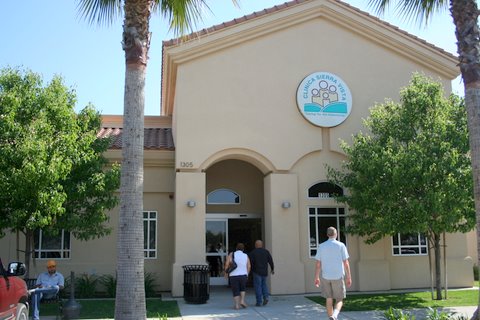
Kern County’s now offers insurance to some adults as part of the state’s “bridge to reform” health program. During the first phase, Kern and nine other California counties received federal funding to expand their health coverage for low-income, uninsured residents. That pilot program is now being expanding statewide in an effort to prepare California for the sweeping reforms set to begin in 2014 under federal healthcare reform.

Patient Baldemar Sanchez is examined for mouth blisters by Dr. Suchitra Rao at the Golden Valley Health Center in Merced. A Spanish translator helped Sanchez communicate with Rao

Changing population may challenge healthcare services

Merced County, like the rest of California, is home to a growing population of ethnic minorities. The county also offers a glimpse into the future, a window onto how healthcare services might need to change to address the needs of a changing community.

Can health insurance exchange, regulation co-exist?

Today the California Assembly Health Committee will hold a hearing on a bill that would allow state regulators to reject health insurance rate increases deemed excessive or discriminatory. This hearing will come just six days after the first board meeting of the California Health Benefit Exchange. Many hope that the Exchange will take the lead in holding insurance rate increases down through actively negotiating with insurers. Can active negotiation work in tandem with rate regulation?

As economy stumbles, Medi-Cal costs climb

In California’s state Capitol, they call it counter-cyclical, a mundane term used to describe the volatile rollercoaster effect of a bad economy on government-run social programs. As the economy and tax revenues decline, demand for many state-run programs increases, putting more stress on the budget just when it can handle it least. The grand daddy of all counter-cyclical programs: Medi-Cal, the state and federal program that provides health care for the poor.

Californians still support federal health law

Support for federal health reform in California remains as strong today as it was a year ago despite attacks from the new majority of Republicans in Congress and federal court decisions declaring the law unconstitutional, according to a new, independent poll released today.

Beloved Community Medicine

A prior edition of calhealthreport.org documented a worrisome trend of rising income inequality within our state, a trend which runs in tandem with the statistics for the country as a whole. The latest research findings show just how worrisome this trend is.

Rose Inda

Getting injured farmworkers the care they need

In 2002, I founded the Watsonville Law Center to serve the local farm-worker community. For many years, workers have come to our office with heart-wrenching injuries: a hand amputated by machinery, a back broken falling from a tree. The hard-laboring men and women who grow fresh food for California tables endure physically grueling conditions and a high risk of accidents from heavy machinery and pesticide exposure.

Online community helps clinics collaborate

Community clinics are facing increased caseloads due to the recession and the coming expansion of access under the federal health reform law. But many operate on a shoestring, struggling to serve clients in a stressful environment. One way they can cope is through collaboration, and many do as part of an online community known as the Community Clinic Voice. The public can listen in, too.

Fulfilling the Promise of the Medi-Cal Expansion

Federal health reform will add as many as two million more people to California’s seven million person Medi-Cal program. What will it take to guarantee this expansion exists not only on paper but results in meaningful access to quality healthcare for new enrollees? The first thing to understand is that this may require a substantial commitment of state resources.

X Close

Subscribe to Our Mailing Lists

* indicates required
Email Lists