Access

Silent Treatment Saves Lives

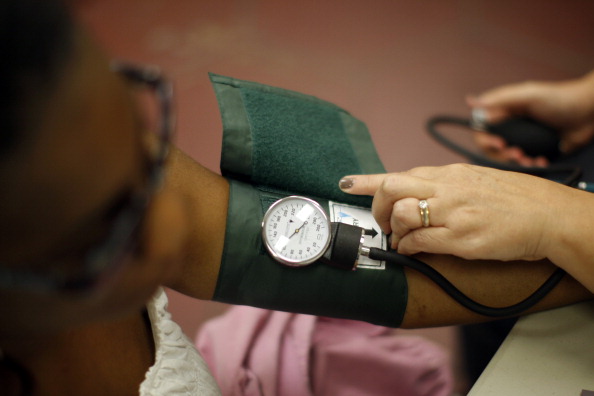
Last year, the Affordable Care Act-funded Partnership for Patients released a report showing that from 210,000 to 440,000 patients die annually from medical errors in hospitals. Kaiser Permanente and other hospitals are now taking small steps that may have a big effect on reducing preventable deaths.

Language Barriers in California Health Care

Last week the Health Report wrote about how the state’s annual Medi-Cal renewal forms are so complicated that they may cause tens of thousands of people to lose coverage. Among the problems is that the forms are only available in English and Spanish, reported Claudia Boyd-Barrett.

Community Clinics Under Pressure to Keep Patients

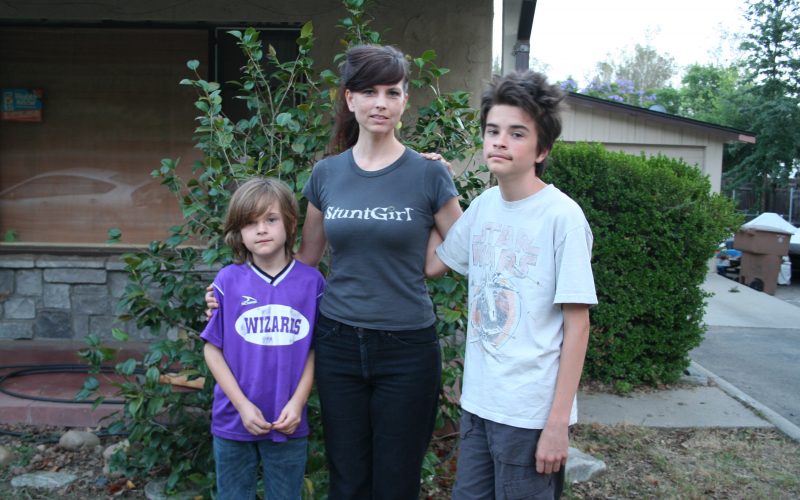
LifeLong Medical Care, like many community clinics, has been through the spin cycle of the sign-up for the Affordable Care Act. And now, also like clinics across the state, they have to compete for those newly insured and paying patients they helped to enroll.

The Latest Stats From California’s Exchange

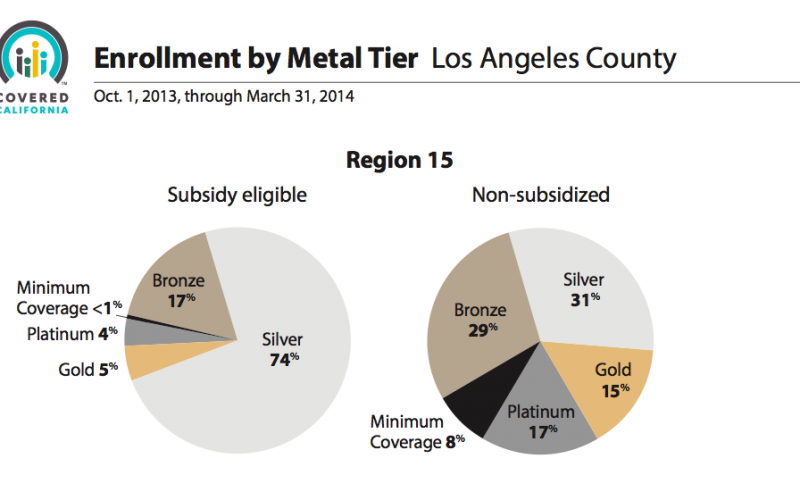
The latest statistics on enrollment in California’s insurance marketplace, released this week, show what kinds of plans people selected in each region. The complete statistics, broken down by 19 regions, are available on the Covered California exchange website.

The Stories Behind the Medi-Cal Backlog

In an article published Monday, I wrote about the policy decisions that contributed to the massive Medi-Cal backlog. Through interviews and state documents, we revealed that the state prioritized Covered California’s insurance enrollment system over one for Medi-Cal, leading to a backlog of about 900,000 applications from low-income people.

Many Low Income Toddlers Fail to See a Dentist by Age 2

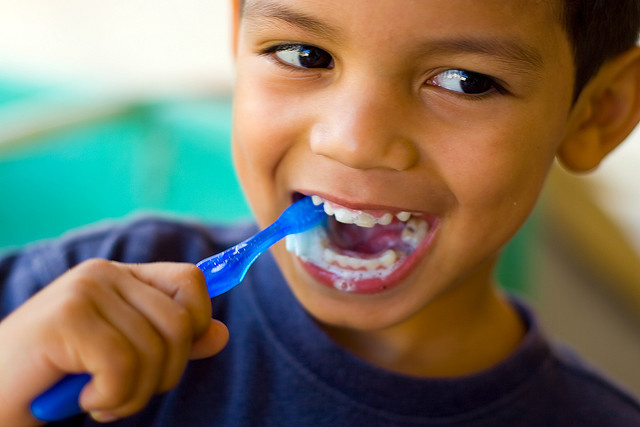
Less than one per cent of healthy urban children surveyed in Toronto had received dental care by the recommended age of 12 months and less than two per cent had seen a dentist by the age of 24 months, according to a recent study by researchers at St Michael’s Hospital. The study findings have importance for the United States because, like the U.S., patients must generally pay privately for dental insurance.

X Close

Subscribe to Our Mailing Lists

* indicates required
Email Lists