
The health plan that serves low-income people in three California counties has been below the state’s minimum performance level for more than a year, according to quarterly assessments from the state agency that oversees the health plan.

The health plan that serves low-income people in three California counties has been below the state’s minimum performance level for more than a year, according to quarterly assessments from the state agency that oversees the health plan.
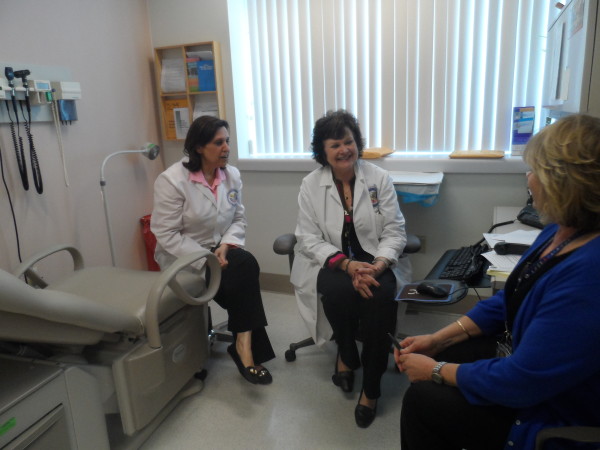
Despite strides by the Veterans Health Administration to accommodate 400,000 women, the fastest growing population using VA hospitals and clinics, legislators and patient advocates say there are still big gaps in care.

Covered California health plans offer smaller hospital networks than commercial plans, a recent study reports. The research backs up the claims of many enrollees who say their Covered California plans have narrow networks. However, the researchers add, the state marketplace plans still offer about the same level of geographic access to hospitals and in some cases allow enrollees to get care at higher quality hospitals.

When anti-seizure drugs no longer help, children with epilepsy often need surgery, but a new study has found that they face barriers to treatment and often wait more than a year for the surgery.

Before health reform, Los Angeles County clinics served people who had no other options—sick patients with no health insurance. But as 2014 approached, county officials realized that many of their clients would become insured and choose other health care. If they opted out, the entire system –with 19,000 employees and a $4 billion budget would face near collapse.

The Affordable Care Act, with its promise of health care for most Americans, represents a welcome step forward for physicians who have cared for the uninsured.

More than a year after the passage of the Affordable Care Act, nearly three million Californians are newly insured by Medi-Cal, California’s health insurance program for the very poor, but many of them are still struggling to get the care they need.

States should try to simplify the process of reapplying for public benefits, such as health insurance and food stamps, so fewer people temporarily lose their benefits, according to a new report.

California legislators will hold a hearing Tuesday on an audit that found that more than half of children enrolled in the state’s low-income health program didn’t see a dentist in 2013, the most recent year data was available.

Aiming to crack down on fraud, California’s regulatory agency took a hard line on all treatment programs in the state that serve low-income people through the Medi-Cal program, leading to frustration and confusion for rehab centers serving low-income addicts.