
Coping with food allergies can be daunting for any family, but, due to the extra labor and grocery costs, they often hit low-income families hardest.

Coping with food allergies can be daunting for any family, but, due to the extra labor and grocery costs, they often hit low-income families hardest.

Four years after California legislators vowed to eliminate racially and ethnically-linked disparities in spending on services to the developmentally disabled, funding gaps persist, records show. The state’s 21 “regional centers,” nonprofit organizations tasked with providing services for people with developmental disabilities, consistently spend less on Latinos than on whites, African-Americans or Asians.

More than half of Californians with developmental disabilities are excluded from state programs that provide extra services, such as mobility training, day care and vehicle modifications, a new report has found.

Although enrollment in California’s low-income health plan has surged in the last three years, fewer physicians are accepting these Medi-Cal patients, according to a new report.

Gov. Jerry Brown signed a bill late last month that will give paid parental leave to all California school employees for up to 12 weeks, including those who work in classified departments and community colleges.

One third of California residents and half of the state’s children qualify for Denti-Cal, the state’s Medi-Cal dental program. So leaders in counties like Santa Cruz, where 82 percent of the dentists don’t take Denti-Cal, are seeking new ways to serve this long-suffering low-income population.

When the California Public Health Department announced last year that more than $3.5 million was available for Native American groups working on mental health issues, officials expected to receive a host of applications. The money was intended to let organizations expand and serve more patients with mental health needs.

Drug treatment professionals have long preached abstinence from all drugs—including medication aimed at managing addiction. But those who oppose medication-assisted treatment must face an inconvenient truth, say addiction medicine specialists like Richard Rawson, a psychologist who recently retired as co-director of the UCLA Integrated Substance Abuse Program: Scientific studies show medication saves lives.
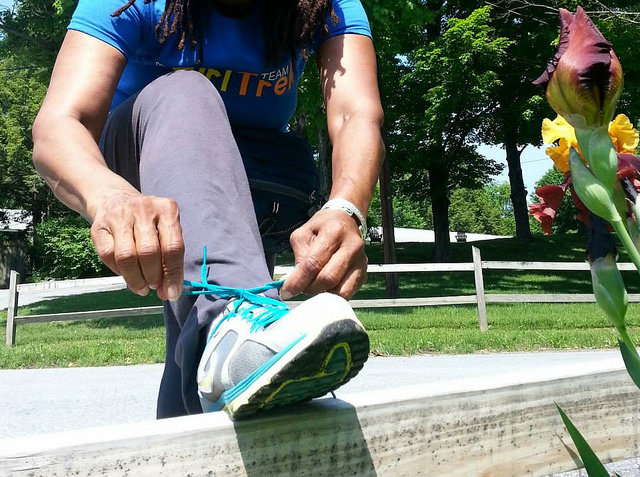
When Kendria McKnight of Elk Grove, Calif., first started walking for a minimum of 30 minutes a day, five days a week, she hoped to lower her blood pressure. She did that and much more. McKnight’s treks became part of a free national movement designed to improve the health of black women across the country one step at a time.

The biggest merger in the history of the health insurance industry is on shaky ground. In June, the U.S. Department of Justice filed suit to block the $54 billion Anthem-Cigna merger, as well as a similar bid by Aetna to acquire Humana.