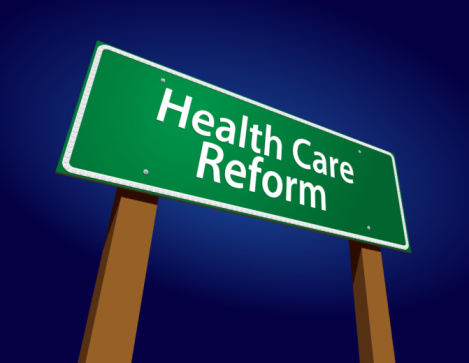
Today marks the second anniversary of President Obama’s signing of the federal health reform law. Supporters have been celebrating all week. On Monday, opponents of the law will go before the United States Supreme Court to ask that the law be struck down as unconstitutional. But while its future may seem uncertain, the Affordable Care Act is already affecting the lives of millions of Californians — expanding access to insurance, and care, for people who had been falling through the cracks.

Author: Daniel Weintraub
Like parents with more than one child, Californians say they love all of their higher education systems equally. But everyone knows that the University of California is really the favorite, with its collection of beautiful seaside campuses and college-town enclaves, high-powered academics, world-renowned research labs and nationally ranked athletic powerhouses. The California State University System? Not so much.
California’s prisons will have 40,000 fewer inmates by 2017 and the state will be supervising 51,000 fewer parolees thanks to an historic shift of responsibility for low-level criminals from the state to county governments, according to a report released Thursday.
The legal settlement reached Thursday among five big banks, the federal government and 49 states won’t fix the housing market, but it should help two categories of homeowners who are plentiful in California.
Gov. Jerry Brown is proposing the most far-reaching changes to welfare since former President Bill Clinton and Congress overhauled the program 15 years ago.
The state’s health and social safety net for its poorest residents would be slashed even if voters approve a tax increase that Gov. Jerry Brown proposes for the November ballot, Brown said Thursday as he released his spending blueprint for the coming year. And if the voters reject new taxes, he said, California’s schools and universities would go on the chopping block. Brown’s budget includes deep cuts in welfare, Medi-Cal and home-based services for the disabled, which he wants to enact as soon as possible, and threatens a huge reduction to education – the equivalent of three weeks of classes — if voters reject a proposed increase in the sales tax and income tax in November.
Gov. Jerry Brown delivered what passes for good news today: the automatic budget cuts built into this year’s budget as a hedge against a revenue shortfall will not be as bad as many feared. Brown said a recent surge in revenues helped trim the shortfall, and the automatic cuts that would be triggered by that shortfall. The big news: kindergarten-through-12th grade education was spared an anticipated $1 billion cut that would have almost certainly meant a reduction of at least a week at the end of the current school year. But higher education, local prosecutors’ offices, Medi-Cal and services for the disabled will all be cut. And this probably won’t be the end of it.
Gov. Jerry Brown said Wednesday that California’s prison system, under pressure from the courts, has focused on turning inmates into “the healthiest damn criminals in the world” but has done little to make them less likely to commit another crime after they leave custody.
Compared to other states, California is doing a relatively good job helping disabled and aging adults cope with the challenges they face living independently or in a long-term care facility, according to a new, comprehensive scorecard of long-term care services in the United States.
California’s population is aging, but most older adults underestimate how likely they are to need help with daily living as they grow older, and few are prepared to handle the potential cost, which can be huge. This disconnect has implications not only for individuals, who risk being left penniless and still needing care, but also for the government and for taxpayers, who eventually will have to pay for nursing homes for people whose medical and long-term care bills leave them impoverished.