Juvenile justice realignment resulted in a small numbers of kids in state detention – but most of the kids there are being held because they committed violent crimes. What will happen to this small group of juvenile offenders if the detention centers, which now hold so few people, closes?

Author: Callie Shanafelt
California counties could learn from the decade-long juvenile realignment process as they struggle to incorporate adult inmates from state prisons into their county jails and reduce overall inmate populations following the passage of AB 109. The state reduced the juvenile population by 88% since 1996 – and did it with no increase in juvenile crime.
New legislation will make sure that domestic workers have some basic rights – like uninterrupted sleep and kitchen privileges. But will these new standards make in-home care too expensive for people in need, like the low-income disabled?
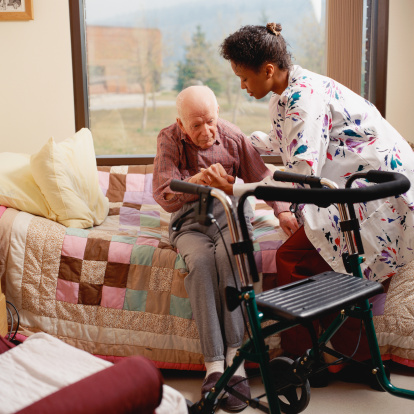
More than 7,000 people qualify for Medicare every day, according to the AARP. But advocates for the elderly say that medical training isn’t keeping up with the demand for specialized knowledge of the needs of seniors. One program in Oakland is trying to fill that gap with the help of a senior acting troupe.
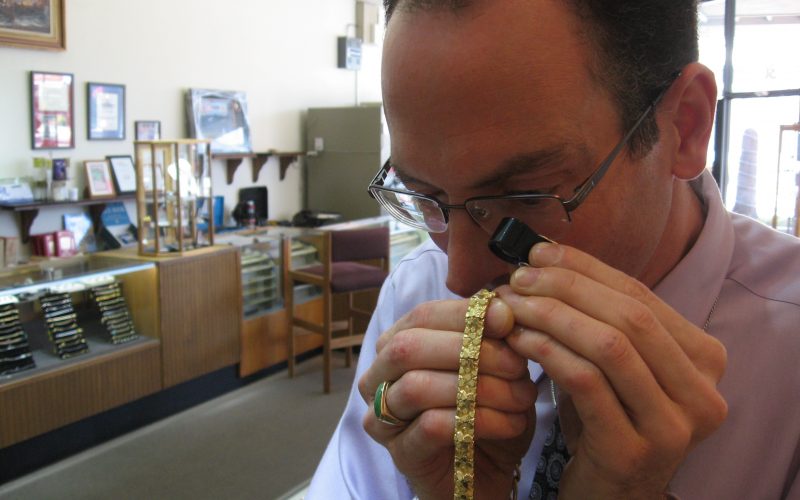
A pawnshop in a San Francisco-area town offers a glimpse into how the recession is hurting people who were once middle class.
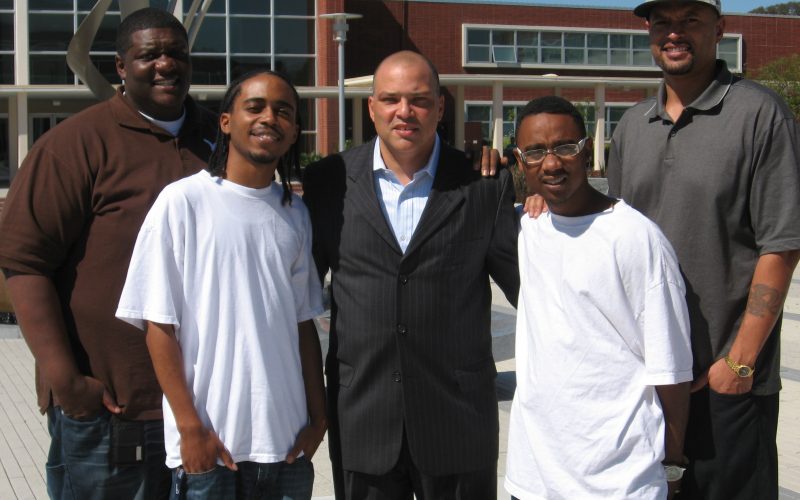
A fistfight at Richmond’s City Hall highlights the difficulties – and perhaps the rewards – of helping young men who commit violent crime change their lives.
Ceasefire programs to end youth violence started in Boston in the 1990s. The subsequent drop in youth homicide was called the “Boston Miracle.” Can a similar program work in Oakland? David Kennedy, creator of Ceasefire, considered that question at recent talk at Oakland’s First Unitarian Church.
Three Richmond youth who would once be inclined to shoot at each other recently took a trip to South Africa together. What caused that kind of change? Here’s a look at a Richmond program that puts resources into people who want to better their lives.
The effects of prison realignment will remain unclear until after – perhaps months after –prison reform starts next week. Two district attorneys from very different California counties consider how AB 109 might affect them, and expert David Ball worries that no one really understands the implications of the complicated law.
When David Muhammad became the Chief Probation Officer for Alameda County six months ago, he had big ideas about how to change the system for the better. “Departments around the country have been good at messing with people and not so good at helping people,” Muhammad said. That’s something he wants to change in Alameda County, especially when it comes to getting low-level offenders integrated into the community after they are released, instead of seeing them land back in prison.