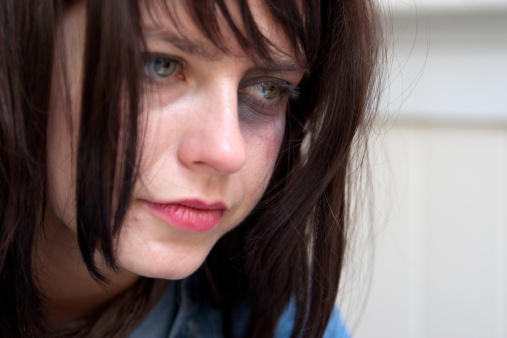
The 2010 National Intimate Partner and Sexual Violence Survey reported more than one in four women has experienced severe physical violence inflicted by an intimate partner, including being slammed against something, hit with a hard object or beaten. Studies show that many of these women would disclose abuse to health care providers if they were asked—but few are.
Violence & Justice
When Los Angeles County resident Cynthia Smith mustered the courage to leave her abusive husband, she had nowhere to go but her car. She lived out of her vehicle until she began to accrue parking tickets she couldn’t pay for—and then her car was towed. Suddenly, the former middle-class housewife found herself alone on the streets. Her only option was a homeless drop-in center on Skid Row.
In a suburban neighborhood on one of the busiest corners in Rocklin, California, Origin Coffee & Tea serves award winning java along with some awareness about human sex trafficking.
Chrissy Keenan was sexually assaulted when she was 17. Now 22, and in her fourth year at UCLA, Keenan has devoted her college years to doing everything she can to stop that from happening to someone else.
When Toody Maher first moved to Richmond, she was dismayed to see how many of the city’s parks were in shambles. Local residents described the parks as being “dirty, dull and dangerous,” and one in particular caught Maher’s eye – Elm Playlot, a half-acre park set in the middle of the Iron Triangle, one of Richmond’s toughest neighborhoods.
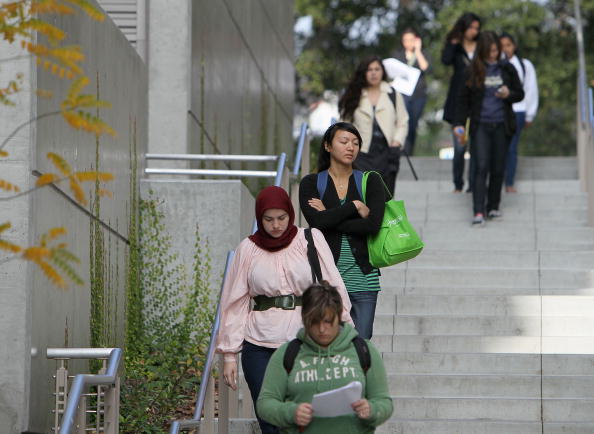
Studies have found that the prevalence of domestic violence and dating violence among college students is on par with the number of female college students who’ve experienced sexual assault. “About 21 percent of college students report they are experiencing violence from a current partner,” says Jessica Merrill, communications manager for California Partnership to End Domestic Violence.
In 2014, a storm of protests erupted at Stanford University after student Leah Francis sent an email with a message that went viral: “Stanford did not expel the man who raped me.”
A cellphone is a lifeline for survivors who need to dial 911, find a safe place to stay or reach out for support. But they also make victims vulnerable to their abuser.
Pediatric patients giving their health histories at the Center for Youth Wellness, a health clinic in the impoverished Bayview Hunter’s Point area of San Francisco, are asked for more than the usual details about allergies and current prescriptions.
In the heart of Richmond, Calif. lies the Iron Triangle, named after the three railroad tracks that define and enclose the area. Today children can be seen playing at a renovated community park in the neighborhood, but this hasn’t always been the case. In this working-class neighborhood historically plagued by drive-by shootings, substance abuse and prostitution, parents haven’t always felt safe letting their children play outside.