About 25 percent of parents who have children aged two to five say their children get three or more hours of entertainment screen time a day, well beyond recommended limits, according to a new poll of over 500 parents of kids age 1 to 5 by researchers from the University of Michigan.
Up Close
A review of more than 25,000 hospital admissions in Rhode Island finds that patients with a documented diagnosis of dementia are nearly 20 percent more likely to be readmitted within 30 days than those without dementia.
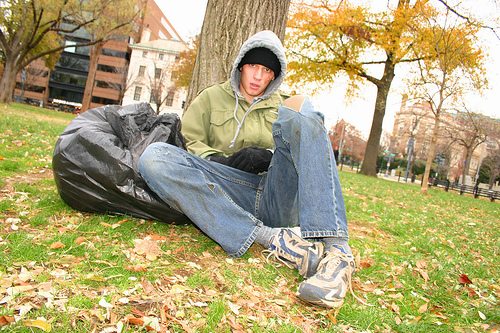
Almost half of all homeless men whose case histories were reviewed by researchers at St. Michael’s Hospital in Toronto, Canada, had suffered at least one traumatic brain injury (TBI) in their life, and 87 per cent of those injuries occurred before the men lost their homes.
Where you live in California can significantly influence your health, according to the fifth annual County Health Rankings report.
One in 12 American older people regularly go hungry, according to a new study. Researchers at University of Illinois and the University of Kentucky used data from the National Health and Nutrition Examination Survey (NHANES). The report also shows that seniors who go hungry also face negative health and nutrition consequences.
Evidence-based interventions at the local and national levels provide promising strategies for reducing racial and ethnic health disparities related to several conditions, including HIV infection rates, immunization coverage and motor vehicle injuries and deaths, according to a new report from the Center for Disease Control and Prevention’s (CDC) Office of Minority Health and Health Equity.
Fussy babies and toddlers are more likely to be exposed to media, according to a new study. The researchers looked at data from 7,450 children in the Early Childhood Longitudinal Study of children born in 2001, including information reported by parents at 9 months and 2 years of age.
A new study on Alzheimer’s disease by researchers at the University of Minnesota School of Public Health finds that a culture change is desperately needed for to help improve the quality of life for Alzheimer’s patients in nursing homes. Facilities also need help to prepare for the millions of patients expected to be diagnosed with the disease in the next few decades.
Nearly 1.4 million people enrolled in a Covered California health plan, the state announced this week, after the open enrollment period ended Tuesday. The big headline was that the enrollment total exceeded the state’s target. But included in the press release were statistics on who enrolled, how they enrolled and what health plan they selected. An analysis of these statistics raises several questions.
Jails and prisons are the largest “mental institutions” in California, holding far more people with severe psychiatric illnesses than state hospitals, according to a report released last Tuesday by the Treatment Advocacy Center and the National Sheriffs’ Association.