Aging

“It Takes a Village”

The rapidly-spreading Village Movement is helping older adults age gracefully by offering the best of two colliding worlds: “aging in place” to avoid institutional living while creating tight community bonds to foster better health and social connections. But these villages are not retirement communities with fixed geographic boundaries. They are collections of individuals living in their own homes across traditional neighborhoods, communities, even entire cities or regions, with the members of each community connected by a network that offers them essential services allowing them to remain independent.

Program’s transition mired in confusion

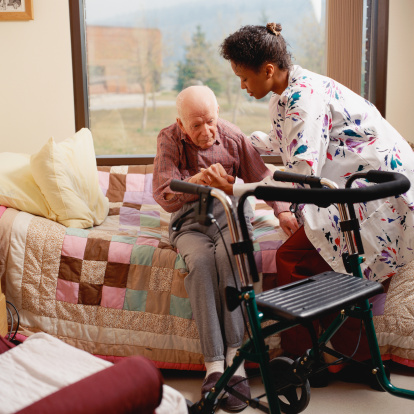
The Brown Administration is bungling its planned transition to a less expensive way to care for older adults and disabled people trying to stay out of nursing homes, leaving thousands of vulnerable people at risk of being forced into institutions, critics say.

Women most vulnerable to poverty in retirement

California is the state with the highest number of seniors living below federal poverty levels, and half of all California workers will spend their final years in poverty if nothing changes with our retirement system. But women are particularly at risk for economic hardship because they generally live longer and earn less than men over the course of their lives.

New Technology: Helping Older Adults Matter

Armed with mounting research linking social isolation to illness, technology firms are marketing electronic solutions aimed at older adults in senior living facilities with two goals: network them socially, and monitor their health continuously. This new electronic wave – loosely termed eCare – is speeding electronic adoption by older adults with a robust set of features that integrate social interaction with health monitoring.

California website offers help on long term care coverage

As California’s population continues to age, state officials are urging residents to do something human beings frequently find agonizing: Plan for that time in their twilight years when they may need assistance getting out of bed, visiting the bathroom and dressing themselves. That’s the impetus behind the five-month-old website www.RUReadyCA.org, which is managed by the California Partnership for Long-Term Care, a joint venture of the state Department of Health Care Services and a trio of insurance companies that sell long-term care policies in the state.

California counties improve stroke system

Strokes are a leading cause of death – stroke victims need to be treated quickly to improve their chances of survival and decrease their chances of brain damage. California’s Department of Public Health is overseeing efforts to standardize stroke treatment across the state, but that can be a challenge, especially in rural areas.

X Close

Subscribe to Our Mailing Lists

* indicates required
Email Lists