
While Denti-Cal reinstatement is good news for patients, community clinics and federally funded health centers, there is a long road to restoring dental care to low-income people.

While Denti-Cal reinstatement is good news for patients, community clinics and federally funded health centers, there is a long road to restoring dental care to low-income people.

Agricultural businesses and the insurance companies that serve them are scrambling to prepare for the changes that health care reform will bring over the next few years.
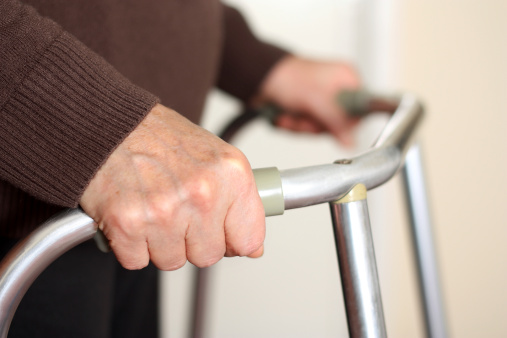
Some of the costliest care in the nation goes to the nine million people who are enrolled in both Medicaid and Medicare. Dubbed dual-eligibles, these low-income seniors and younger people with disabilities qualify for the insurance program for seniors (Medicare) and the insurance program for the poor (Medicaid, called Medi-Cal in California). Dual-eligibles often have complicated illnesses. But that’s not the only reason why their care is so expensive, with yearly spending for their care exceeding $300 billion.

Each day, the staff at Foothill Presbyterian Hospital in Glendora sets aside a patient room for an overhaul under the “Room a Day” program.
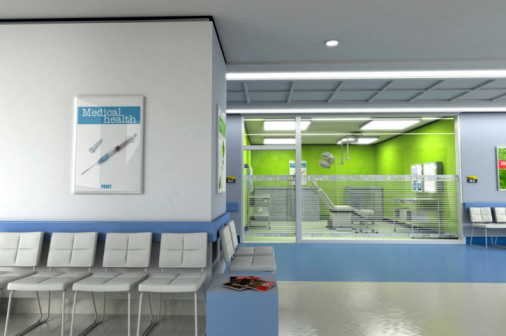
Counties all over California are cheering the state’s decision to expand Medi-Cal to more than 1.4 million low-income adults – and bracing for the $1.3 billion the state expects to take away from county health services over the next four years.

ObamaCare 101 sessions are educating the staff of community clinics and community-based health organizations in the basic tenets of health care reform.

Electronic health records are expected to play a key role in bettering health care in the United States — clinics are adopting them, but not without some problems along the way.

The Affordable Care Act recognizes drug addiction and alcoholism as chronic diseases that must be covered by health insurance plans, and in so doing marks a major transformation of addiction care.

When Ema Rowe found out that she was pregnant with her third child, her physician at Cedars-Sinai Medical Center referred the South Los Angeles resident to Eisner Pediatric & Family Medical Center. Rowe soon entered Eisner’s centering pregnancy program at the clinic’s main location in downtown Los Angeles. A nurse called her after noticing she had been a little depressed at a recent centering pregnancy class.

Elizabeth Luciano sits in her small office looking compassionately at the young mother complaining of stomach pain. She was undocumented and had no health insurance. They met at a community event a week before and the woman cautiously approached Luciano to see if she knew of anyone who could help with her Medi-Cal application. Luciano, a former hospital nutritionist in her home country of Columbia, told her it was safe to come to her office at the Pittsburg Health Center.