
Small financial incentives can double smoking cessation rates among low-income smokers, according to a study published in the American Journal of Public Health last week.

Small financial incentives can double smoking cessation rates among low-income smokers, according to a study published in the American Journal of Public Health last week.

Including social and behavioral information in patients’ electronic health records may improve patient care, according to a new report from the Institute of Medicine.

Preterm births are at their lowest rates in seventeen years, accounting for 11.4 percent of all births nationally in 2013, according to a new report from the March of Dimes. The U.S. Department of Health and Human Services did not expect to see such low rates until 2020.

California Health Report Editor-in-Chief, Daniel Weintraub interviews Dr. Ashby Wolfe. Wolfe is an expert on the connection between land use policy and health. She has a family practice in Oakland and also works to advocate for policy changes that promote community health.
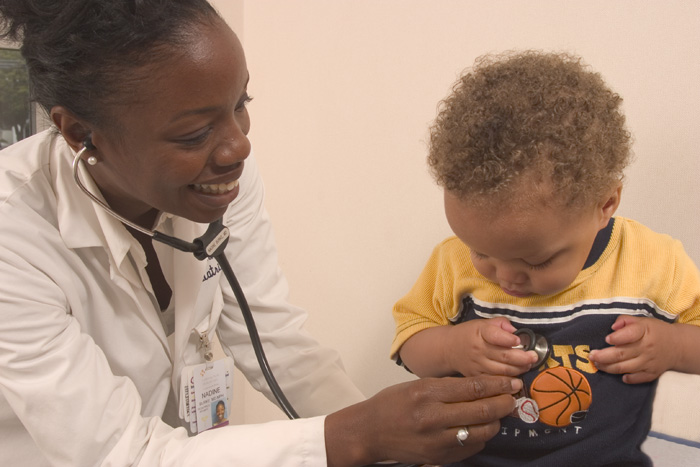
One in six Californians has experienced significant trauma in childhood – and enough stress to put their long-term health at risk, according to a study released yesterday.

In this story we visit a San Francisco research center working to better the lives of those most at risk for poor health. UC San Francisco’s Center for Vulnerable Populations puts many of the most common health conditions in the crosshairs, and uses research and outreach to improve the health of society’s most vulnerable-sometimes in unexpected ways.

In this story we go to Sunnyside Organic Seedlings in Richmond where we met Pilar Reber who went from a pesticide applicator twenty years ago to the owner of a certified organic farm. Reber is now partnering with local non-profits to teach youth about organic farming methods.
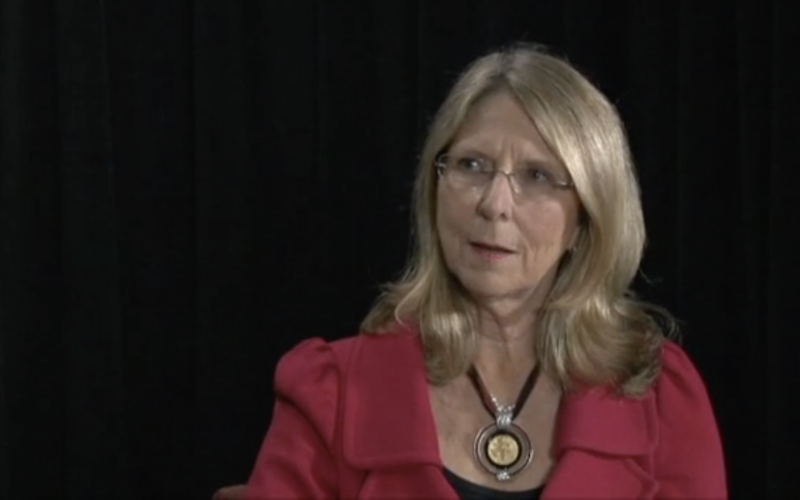
California Health and Human Services Secretary, Diana Dooley leads 13 departments and is the chairwoman of Covered California, the new agency that’s implementing the affordable care act in California. But this interview between Daniel Weintraub, California Health Report Editor-in-Chief and California’s top health official, Dooley, isn’t about health care, it’s about health – and all the things we can do as individuals and communities to keep ourselves healthier, so we don’t need to go to a doctor or a hospital or worry that much about the quality of our insurance coverage.

In this story we go to South Los Angeles, a community with some of the highest obesity rates in the country. Almost a third of the adults living there are obese. Now a handful of residents are trying to bring fresh food and health awareness into the area by planting edible gardens in an area riddled with fast food restaurants.
Diabetes afflicts one in 12 Californians. It causes early death and disability for millions and costs the state $27.6 billion annually in health care and related expenses. In 20 years, diabetes rates are expected to double in the United States. But the disease doesn’t have to wreak that kind of havoc. Diabetes can be avoided in many people with intensive diet and exercise counseling, according to a 2002 study by the National Institutes of Health and the Centers for Disease Control and Prevention.