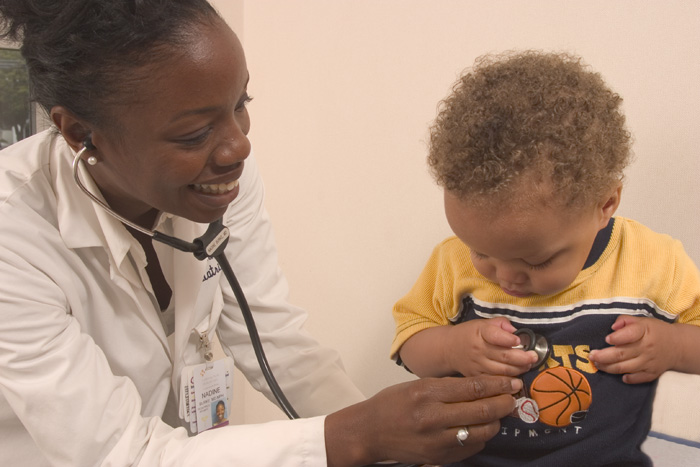
A child’s health and chance to survive a serious medical condition should not be dependent on their family’s income. All children deserve access to high-quality health care services – particularly children who are medically fragile or have serious diseases.
Opinion
California’s day programs for adults with autism are underfunded and overcrowded. But with thousands of young people with developmental delays or disabilities about to reach the age at which they can no longer attend a public school, the problem is soon going to get much, much worse.
As our nation continues to see no activity on immigration reform, we also see the lives of countless families on hold. While we applaud the Obama administration’s executive actions, we also wait on a divided Supreme Court to determine the fate of the DACA expansion, a change to the current program that will offer protection to thousands more people living in the US who were brought here as children, and DAPA, a new program providing protection from deportation and work authorization for certain undocumented parents with US citizen or lawful permanent resident children.
In California and across the nation, the Affordable Care Act (ACA) brought historic increases in coverage to people that have long been left out of the health care system, namely communities of color. Nearly 2 million African Americans and 4.2 million Latinos gained health insurance.
California is facing a public health crisis – children’s exposure to trauma and chronic adversity. A growing body of research shows that exposure to trauma harms children’s developing brains so much that the effects show up decades later in the form of poor health and the perpetuation of violence and poverty.
As the nation observes National Minority Health Month, April will be a good time to reflect on the progress we have made addressing disparities in health. It’s also time to recommit to furthering our efforts to achieve health equity, especially for our children.
Gratitude increases our emotional well-being, improves our capacity to get along with others, decreases depression and increases our resilience after suffering emotional or physical harm. What’s not to like?
Nationwide, type 2 diabetes affects more than 20.9 million children and adults. California has not been immune; in fact, diabetes diagnoses in the state have increased by 35 percent over the past decade, becoming an unfortunate part of life for many of California’s citizens.
May 6 marks World Asthma Day, and it also marks the release of a major study on climate, the National Climate Assessment. The timing may be coincidental, but the connection isn’t: climate change represents a major new threat to health and is already contributing to increases in asthma around the globe. California has much to do to protect the health and environments of its residents.
While medical schools graduate a lot of students who have been trained in family medicine, most new doctors eventually choose to practice as specialists in fields like radiology, anesthesiology, and dermatology. That gap has helped create a shortage of primary care physicians, in California and nationally. One Sacramento program is using community connections to build more interest in family medicine.