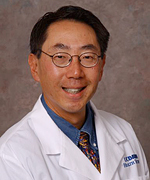
In the class I teach on chronic illness for UC Davis medical students, I am trying to get my students to see illness in a new way. I want them to be more pro-active rather than simply re-active, to anticipate their patients’ diseases and conditions, and to help their patients stay healthy, rather than treating them only when they are sick. I believe this is not only the right thing to do. It may also be the only way our family medicine physicians will be able to cope with the rising pressures coming with an aging population and an expanded workload brought about by the recently passed federal health reform, which will broaden access to health care for millions who have not had it.

Op-Ed
California has one week. If the state budget is not passed by the constitutional deadline of June 15, health care providers like us will soon begin to experience a delay in payments. This will make things difficult on the clinics and potentially devastating for the fragile population that depends on our services.
On a recent trip to Washington, DC, I decided to test my belief that walking is an important way to promote weight loss and healthy lifestyles by doing as much walking as possible in our nation’s capital. I decided to keep track of my efforts and see just how easy it was to stay physically active while on a highly scheduled two-day business trip.
Having been raised by immigrant grandparents, and being a farm worker myself, I found myself struggling as an undergraduate at Stanford University. Social and emotional support from two classmates, also from “low-performing” high schools and from immigrant families, helped pull me through. My dream was to return to the Central Valley as a physician to help smooth the way for others in similar circumstances to be successful in college and achieve their professional dreams.
Dr. Ronald Fong at UC Davis created a weight management clinic that asks patients to take the lead in fighting their own obesity. But Fong walks by their side — literally, in an initial meeting during which he takes them out of the office for a stroll and a conversation.
Every spring around this time, thousands of graduating medical school students get matched with residency positions at hospitals and clinics across the country, the final stage in their training to become doctors practicing on their own. This year’s match game carried some good news: 91.4 percent of the openings for family medicine residencies were filled by the graduates, the highest percentage ever. But there was a catch: the percentage of positions filled went up in part because the number of positions available went down, the result of several family medicine residency programs closing within the last decade.
A patient has asthma and needs medication to prevent a possible trip to the ER. The doctor prescribes it. But the state bureaucracy that runs the Medi-Cal program puts up a roadblock. After hours of follow-up, the doctor manages to navigate the system for her patient. The story illustrates why so many doctors have stopped taking Medi-Cal patients.
We are not made up of organs only. We are human. We need someone to be looking at the whole picture, someone to help us discuss end-of-life care issues with our families and elderly parents. Someone who can explain why it is important for a family member to see three different doctors to control her diabetes and heart failure. The system is too complex to assume patients can navigate the waters on their own…which may be why patients with chronic conditions often see the progression of their disease as something beyond their own control.
Some say that lifting California’s ban on hospitals hiring doctors directly would help limit the shortage of physicians in rural and inner city areas. But the idea would actually make things worse.
Anthem Blue Cross has been under scrutiny for its recent rate hikes. But that scrutiny should go beyond the rate hikes to their overall business practices—and the broken health system that rewards bad behavior. The company has perfected a business model based on collecting premiums from the healthy and avoiding as much as possible actually providing coverage to those who are sick.