At all levels of government, elected leaders itemize budget deficits and request further sacrifices. Moreover, they forecast the reduction or elimination of many social and medical programs. The adage of bad news rolling downhill is apt in these times. Amid these cutbacks, it is tempting to turn on each other. However, one community organization has expanded its staff and outreach within the last two years by turning to each other.
Op-Ed
California’s economy is hurting and too many of its residents are without insurance coverage. Rural communities have been hit even harder by unemployment and the lack of access to care. Here is an idea to use public and private action to improve rural health care and the economy at the same time.
The California economy, while hard hit by the construction collapse and national recession, remains a world economic powerhouse. The latest numbers portray a state growing slightly faster than the nation over the past decade, driven by the high productivity tech sector. Now the state and national challenge is to mount another burst of growth driven by innovation and creativity. These are difficult challenges in today’s mood of anger and gridlock but we have responded before and must do so again.
Many rural and inner city communities in California have a shortage of primary care doctors. But the state’s programs to incentivize doctors to work in underserved communities have fallen short, even with an attractive offer of student debt forgiveness. Why? One reason is that new doctors are offered jobs with big medical groups where they can practice medicine and not have to worry about running a business as they would if they were on their own. In this piece, Dr. Ronald Fong sketches out a vision where people in the community with business skills work with new doctors to create a partnership that will benefit both.
We need to address our medical students as paladins, and not as squires. We must show them that their patients and circles will view them as leaders, regardless of their self-assessment. And, we must impart to them that leadership is not a burden, but a legacy to be forged. We will choose our students for this trek based not primarily on test scores or letters of recommendations. Rather, we will seek those who demand challenges, shatter comfort zones, and stoke their passions by the advancement and of others.
Quitting smoking today is the number one thing that Californians can do to improve their health. Not a moment goes by without a citizen of our country and the State of California suffering from the hazards of tobacco use. Tobacco use has far reaching ramifications that encompass not only health issues, but widespread economic issues. But many people lack access to the programs that will help them quit. We can and should give them that access.
A doctor contemplates his role in helping to implement health reform and decides that his connection to the community will be as important as his knowledge of medicine.
A healthy lifestyle starts with healthy food choices, but for some people, finding healthy food can be a big challenge.
For reasons that are unclear to me, program coordinators at UC Davis frequently invite me to discuss patient weight management with students and residents at the medical school. I suspect that I am the default candidate since I staff our department’s weight management clinic and I have completed a few marathons. I offer no published expertise, fool-proof regimen or magical elixir to drop pounds. Rather, I share books of personal interest, observations, and perspectives on well-being as opposed to strategies for weight loss.
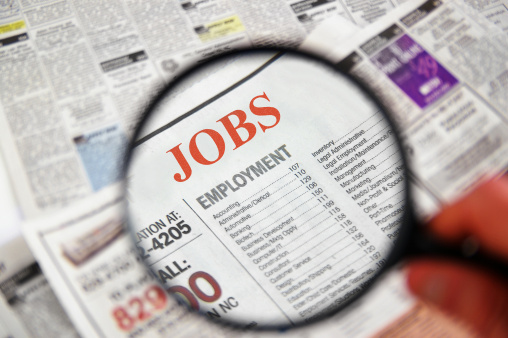
In almost every recession, experts and laypeople alike begin to think that California is undergoing a fundamental structural shift that will mean a permanent loss of jobs. It looks as if employment growth will never come again. Until it does.