
In a move cheered by advocates for environmental health, an independent state advisory board has unanimously voted to list the pesticide chlorpyrifos as a chemical that can cause developmental delays in children.

In a move cheered by advocates for environmental health, an independent state advisory board has unanimously voted to list the pesticide chlorpyrifos as a chemical that can cause developmental delays in children.

Nearly all of my clinic patients in South Los Angeles live at or below the poverty level and many struggle to put food on the table.
Recognizing that too many kids go hungry, the California legislature passed The Feed the Kids Act, Senate bill 138, which goes into effect on January 1. This program will provide school meals to some of the state’s poorest kids.

Recent policy decisions and heated political rhetoric directed at undocumented immigrants are both affecting the mental and physical health of families with at least one undocumented member, according to a report from the Kaiser Family Foundation that was released yesterday.
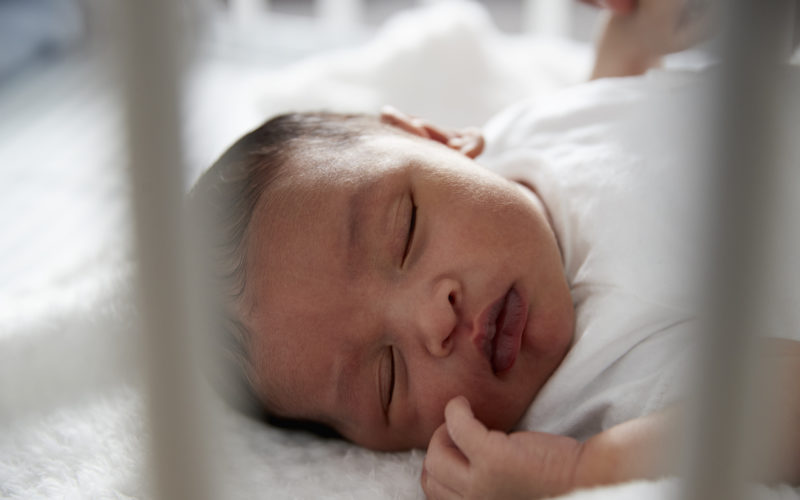
The United States has a dismal distinction in international health rankings: 9.6 percent of babies are born preterm, a higher rate than in Turkey, Afghanistan, Thailand and dozens of other third world countries.

The infant mortality rate has consistently decreased in California in the last two decades, but a handful of counties in the state have rates that remain higher than average.
Mendocino and Fresno counties had infant mortality rates that were nearly twice the statewide average in 2013-15, the latest years for which data is available.
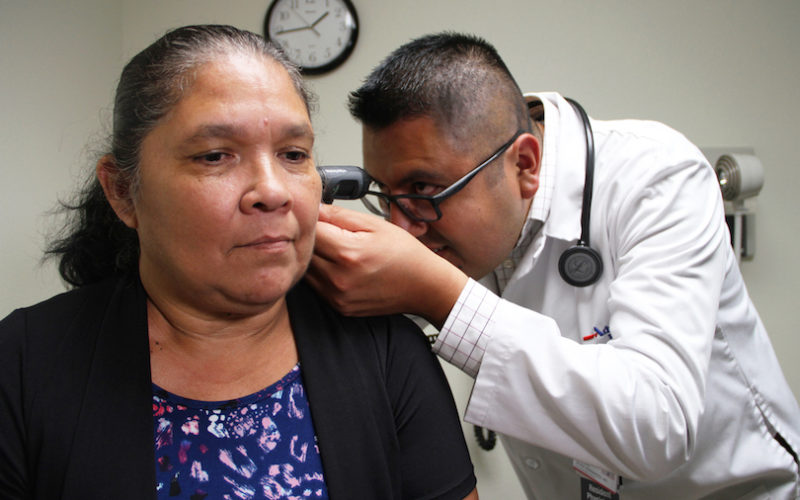
Her whole life, Isabel Gonzalez dreamed of becoming a doctor. In her native Spain, she was the first person in her family to attend medical school. For nine years, she trained intensively, finally reaching her goal of becoming a primary care physician. Then she moved to California with her American husband, and everything changed.

People of mixed racial and ethnic backgrounds are part of a booming demographic, but the number of mixed-race bone marrow donors remains tiny, at about 3 percent of registered donors in the U.S.

Residents of San Diego’s City Heights neighborhood have long complained of their youth being targeted by police. In response, community advocates and law enforcement came together to create a restorative justice program. The program has generated both praise and criticism.

An Assembly Committee whose mission it is to determine how young men of color can be better supported and diverted from the juvenile or adult criminal justice system is about to make a very large budget request come January.

Asian Americans are the least likely racial and ethnic group to seek out mental health services in the United States. Just 4.9 percent of Asian American adults seek out mental health services. “Some of the mental health terminology isn’t even in our languages, so it’s hard to talk about these issues.”